
CMS December Spotlight - CMS Staff

This month, we’re turning the spotlight inward to celebrate the dedicated team behind the College Music Society. From organizing conferences to supporting members’ professional growth, the CMS staff works tirelessly to ensure that we’re able to best serve the CMS membership. Get to know the individuals behind the scenes—learn about their roles and what inspires them in their work with CMS!
Charlie Chadwell
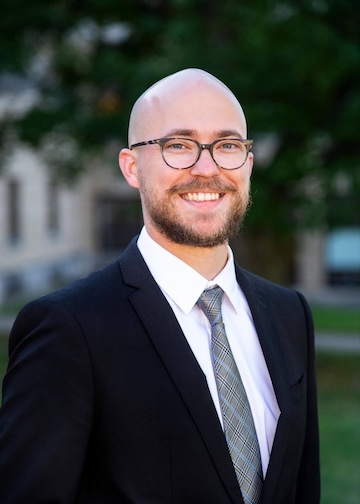
Position: Conference Planner
Position responsibilities: Manages and implements the planning of CMS Conferences at the Chapter, National, and International levels.
Bio: Charlie Chadwell is an active saxophonist, chamber musician, music theorist, and educator. He currently serves as Assistant Professor of Saxophone at Western Illinois University and recently completed a DMA in saxophone performance at Michigan State University, where he studied with Professor Joe Lulloff. Throughout his career, Chadwell has championed a variety of musical mediums and styles, and his performances have taken him across the U.S., to England, Japan, Hong Kong, Taiwan, Thailand, and China. Well-versed in both classical and jazz, he has regularly participated in saxophone quartets and large ensembles, jazz bands, jazz combos and new music ensembles at Michigan State University, Oklahoma State University, and The University of Texas at Austin. He's also performed with the Austin Symphony Orchestra, the San Antonio Symphony, and the Lansing Symphony, in addition to performing as a concerto soloist with the UT Symphony Orchestra and Oklahoma State Symphony Orchestra.
A native of Austin, Texas, Charlie has taught extensively in the central Texas area as a private lesson and master class teacher, as well as a band clinician. He holds a BM in Music Education degree from The University of Texas at Austin with a Performance Certificate, where he studied with Harvey Pittel and Stephen Page. He also holds a MM in Saxophone Performance from Oklahoma State University, where he studied with Jeffrey Loeffert and Tommy Poole.
Favorite CMS experience so far? My favorite experience (so far) with CMS was attending the 2023 Latvian Song and Dance Festival in Riga, Latvia. Never before have I heard such a huge choir (~15,000 singers), along with an enormous stadium full of Latvians excited to listen and sing along. The entire 2023 International Conference was an incredible experience all around - for the cultural experiences in Baltic countries, as well as the friendships made throughout the conference.
Shannon Devlin
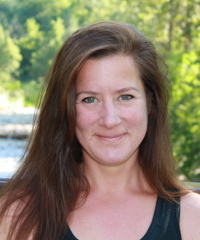
Position: Director of Membership
Position responsibilities: Responds to CMS member inquiries, issues notifications and processes new and renewing membership applications, maintains member records, and monitors membership-related materials for up-to-date content. In addition to membership matters, she serves as the primary contact for all general inquiries, including the CMS Professional Notices via Email / CMS Mailing Label Services.
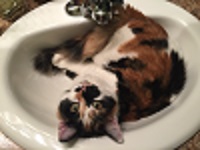
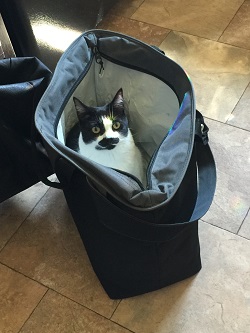
Bio: Shannon Devlin has worked in the CMS national office since 1994: two years as Office Assistant, two years as Receptionist, and the past twenty-three years as Director of Membership Services. She is a graduate of Missoula’s Hellgate High School, and has other work experience in local food service and entertainment businesses. Shannon is a dedicated runner, mountain biker, and hiker. She also enjoys horticulture and her latest role as cat-lady-in-training.
Favorite CMS experience so far? My favorite experience has been the privilege of working alongside some of the most dedicated and inspiring individuals in the field. The collaboration, shared passion for music, and the opportunity to contribute to an organization that fosters creativity and growth have been incredibly enriching and fulfilling.
Grace Nelson Poe
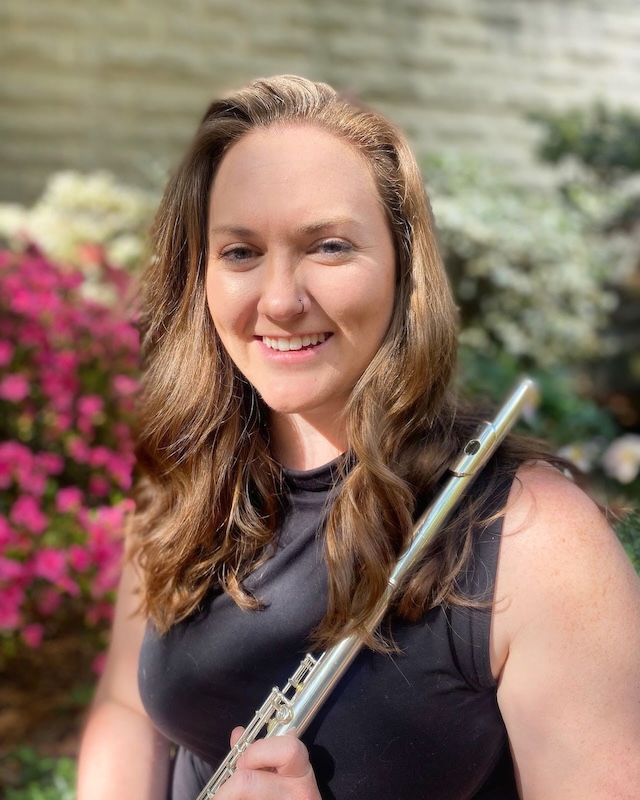
Position: Administrative Intern
Position responsibilities: Assists with conference planning both off and on-site, contributes to publishing the College Music Symposium, creates social media content, and handles administrative tasks, with responsibilities tailored to specific professional development goals.
Bio: Grace Nelson Poe is a flutist and music educator located in Greensboro, NC. Grace recently graduated from the University of North Carolina Greensboro with her Doctor of Musical Arts degree with a cognate in Music History. In addition to working as a freelancer and private instructor, Grace teaches music courses at Rowan-Cabarrus Community College. Grace’s research interests include collegiate music education and mental health, and her recent dissertation explores the intersection of private instruction and mental health in the collegiate studio setting. Further, she has incorporated topics including mental health, human emotion, and the COVID-19 pandemic into her recitals as a solo flutist.
Prior to her move to North Carolina, Grace earned her Master of Music degree from Oklahoma State University and her Bachelor of Instrumental Music Education degree from Baylor University. Her passion for music education spans a wide range from elementary general music to private instruction and academic music courses at the collegiate level.
Favorite CMS experience so far? My favorite experience has been the CMS National Conference in Washington, D.C. It was wonderful to finally meet the colleagues I have been working remotely with and to interact with so many lovely CMS members.
David Schafer
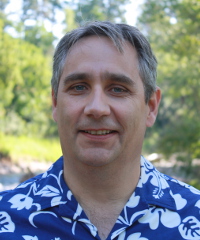
Position: Director of Information Technology
Position responsibilities: Develops, secures, and maintains CMS’s online deployments and staff equipment.
Bio: David Schafer has worked as the CMS national office’s Director of Information Technology since 2007. He holds a Bachelor of Arts degree from The University of Montana. Past professional experience includes eighteen years of C++ programming on Windows platforms and work on GIS-based applications and imaging tools for the OEM market. Dave enjoys technology, cycling, and happy hour with his wife Deanna Schafer.
Favorite CMS experience so far? My favorite experience with CMS so far has been witnessing how it brings together a passionate community of musicians and educators, each committed to enriching the field and supporting one another's growth. It’s inspiring to see such collaboration and innovation in action!
Arisa Williams
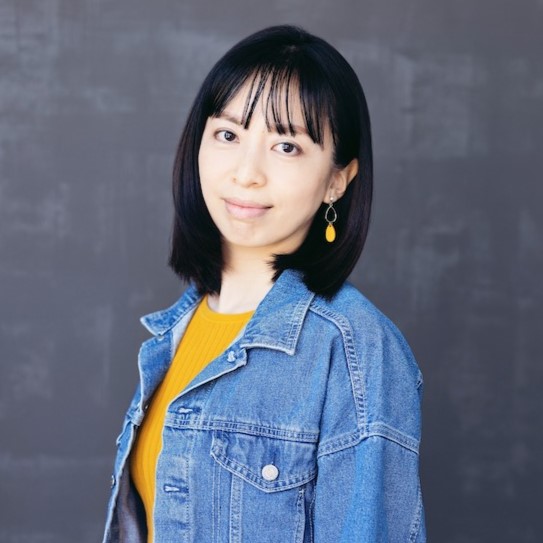
Position: Web Specialist
Position responsibilities: Develops and maintains websites, produces College Music Symposium, provides information to CMS members through email and online means, and provides service to constituents wishing to connect with music faculty and administrators through the Professional Notices by Email service.
Bio: Arisa Williams joined the College Music Society in May 2024. Arisa earned a bachelor’s degree in African American Studies at Oberlin College and Conservatory. Originally from Tokyo, Japan, Arisa has been passionate about web development since high school. In addition to her work at CMS, she enjoys cooking, maintaining close ties with friends back in Japan, and spending quality time with her husband and three children.
Favorite CMS experience so far? I joined CMS in May, and one of my favorite parts of the role has been improving the website and our mailings to make them not only visually appealing but also ADA compliant. For example, I’ve been working on incorporating transcripts for our webinar videos to ensure accessibility for all users. It’s still a work in progress, but I’ve enjoyed tackling these challenges step by step and seeing how even small changes can make a big difference in how we connect with our audience.
CMS November Spotlight - CMS Cohorts
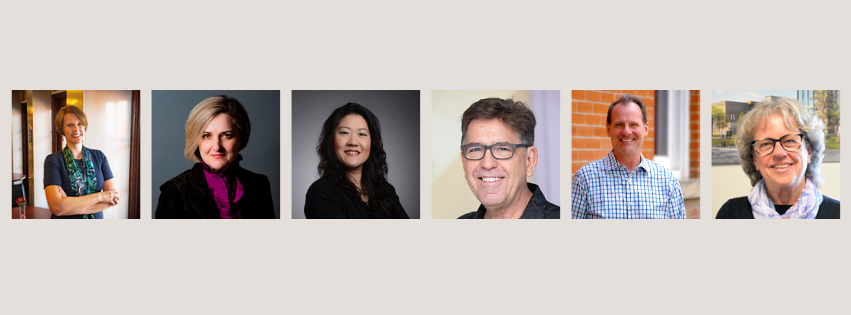
From left to right: Rachel Roberts, Ivy Walz (Navigating Mid-Career: Advancing in Academia); Yeeseon Kwon (Inclusive Pedagogy in Music), Rey Sanchez (Artificial Intelligence in Music), Mark Rabideau, Betty Anne Younker (Early-Career Music Faculty)
CMS is excited to announce the second iteration of the CMS Cohorts Initiative. This initiative is a virtual peer-to-peer mentorship opportunity that will allow CMS members to connect with one another through shared professional goals, academic affinities, pedagogical initiatives, and career experiences.
The 2024-2025 CMS Cohorts will encompass the following areas of focus:
- Navigating Mid-Career: Advancing in Academia
- Inclusive Pedagogy in Music
- Early-Career Music Faculty
- Artificial Intelligence in Music
Each cohort will meet monthly via Zoom for discussion-based virtual sessions.
We asked our cohort facilitators (above) to answer these two questions about their respective cohorts:
- What topics are you most excited to explore with cohort members?
- What takeaways might attendees hope to gain from joining this cohort?
Check out their responses below!
- What topics are you most excited to explore with cohort members?
- I am excited about working with colleagues as they continue to imagine, discover, and discuss possible pathways that can be available as they navigate their careers. (Betty Anne Younker)
- I’m really excited for participants to reflect on their own selves – what their goals are, how they can continue to build their own skills and leadership capacities, and thinking about their long-term plans. Knowing that careers are ever-evolving and often take unexpected paths, I firmly believe it’s helpful to have this type of shared space to question, explore, and create a mindful space for intentionally thinking through career pathways. (Rachel Roberts)
- I am most excited about exploring inclusive assessment and feedback practices. The cross disciplines and the diversity of specializations represented among the cohort will be a wellspring of great ideas and pedagogical sharing time. (Yeeseon Kwon)
- I’m most excited about helping colleagues articulate their one-of-a-kind brand. This both allows them to differentiate themselves within the marketplace and discover how they can uniquely contribute to an ever-changing music education landscape. (Mark Rabideau)
- I’m genuinely excited for all the topics because we have such a fabulous lineup of professionals from around the country contributing to the dialogue. I feel the topics are relevant to the experience of the mid-career faculty member. (Ivy Walz)
- What takeaways might attendees hope to gain from joining this cohort?
- I think attendees can expect to take away practical ideas and approaches to add to their own expertise. I’m hopeful that attendees will feel refreshed and supported and even feel invited to continue the conversations with other colleagues to enhance networks of support for one another. (Ivy Walz)
- Time set aside for you and your colleagues to learn from each other about possibilities in fields that continue to morph and emerge. What are each of your skillsets, passions, and understandings that you bring to possible settings, and where might they align in settings not yet considered? Time set aside for reflection is a gift and is necessary for critical and creative thinking to occur. The takeaway is how giving yourself time allows for learning more about who you are and what might be possible. (Betty Anne Younker)
- First and foremost, I hope this cohort is a space to build a network of individuals who are exploring their mid-career journeys together! Knowing and seeing that you aren’t in a transitional time alone can help strengthen your curiosity and build confidence for the future. Secondly, I am so excited that this cohort will have the opportunity to learn from and connect with wonderful leaders and colleagues throughout the higher education space. My hope is that the individuals that sign up to participate will bring their experiences, expertise, and questions to the table to provide robust and meaningful exchanges through ALL of the sessions together. (Rachel Roberts)
- The insights and experiences of the attendees will shape the takeaways I imagine, and all the more reason to participate! There are topics that we can address thoughtfully such as bias and stereotypes in music pedagogy, specific and applicable curricular topics, all within a framework of bolstering and supporting one another. (Yeeseon Kwon)
- We’ve engrained within the profession and ourselves a narrow definition of what a successful career in music can be: landing a job in an orchestra; winning a prized tenure track position. My hope is that participation in the emerging professionals cohort allows space for each of us to revisit our aspirations and the metrics for success to more broadly consider what a life of means, the ability to care for those we love most, a life of meaning, the opportunity to do good an important work, and the chance to give back can be. (Mark Rabideau)
CMS October Spotlight - Shawn Copeland
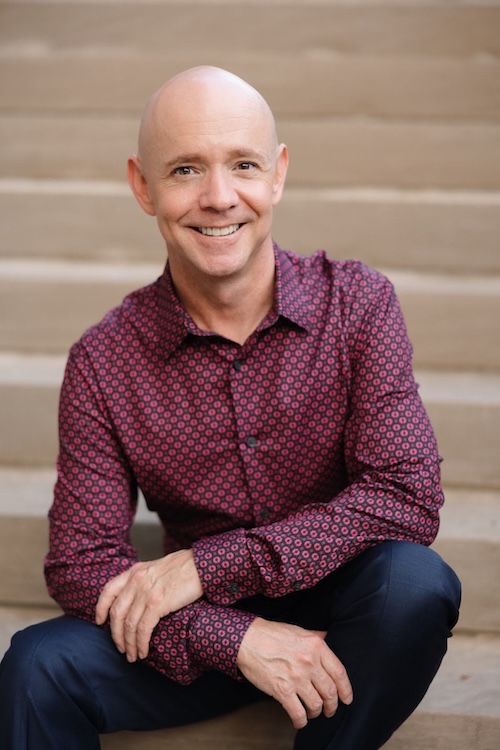
Shawn L. Copeland is a pioneer in the fields of musician wellness and performance training. His innovative, creative, and transformational approach has set him apart as a multidimensional musician, pedagogue, and entrepreneur. His unique methods have established him as a leader, culminating in the founding of mBODYed, LLC a company that is reshaping the landscape of performance training for musicians, actors, and dancers. He currently chairs the Committee on Health, Access, and Well-Being for the College Music Society, reflecting his unwavering commitment to these essential values. As a training mentor and Chair of the Diversity and Belonging Committee with the Association of Body Mapping Education, he actively promotes inclusion and equity in the arts. His influence extends to leadership roles in Alexander Technique International, where he serves as a Sponsoring Teaching Member and on the Ethics Advisory Committee.
An accomplished author, Shawn is the co-author of Body Mapping for Clarinetists, Breathing for Clarinets, and the highly anticipated The mBODYed Breath: Body Mapping, Breathing, Balance, and Belonging. He boasts an impressive academic background, holding a Doctor of Musical Arts and a Master of Music from the University of North Carolina at Greensboro, a Bachelor of Music from Stetson University, and a Master of Arts in Non-Profit/Arts Management from the University of Central Florida. Additionally, he has earned advanced certificates in Diversity, Equity, and Inclusion from Cornell University, Somatic Trauma Therapy from The Embodied Lab, and Performing Arts Injury Prevention Education from the Performing Arts Medical Association. Currently, he is pursuing a Master Somatic Practitioner Certification with the Integrative Wellness Academy, further solidifying his expertise.
Shawn is a Performing Artist and Clinician for prestigious brands such as Buffet Crampon U.S.A., Gonzalez Reeds, Inc., and the Silverstein Group. With his remarkable passion and depth of knowledge, Shawn L. Copeland is genuinely reshaping the future of performing arts.
Shawn most recently assumed the role of Chair for the new Committee on Musicians’ Health, Access, and Well-Being. We hope you enjoy this conversation!
- What motivated you to take on the role of Chair for the new Committee on Musicians' Health, Access, and Well-Being?
I have had a passion for musician’s wellness since I was first introduced to the Alexander Technique in 1997 as a student at the Brevard Music Center. I studied it throughout the remainder of my undergraduate career. When I went onward into my graduate work, many of my colleagues were suffering from performance-related injuries. This was the same time that I met my mentor, Marsha Paludan, who trained me as a teacher of the Alexander Technique. Since then, I have dedicated my research and continual learning in fields that support musician’s wellness, such as Body Mapping, Somatic Trauma Therapy, Integrative Somatic Education, and Musician’s Injury Prevention Education through the Performing Arts Medical Association. In 2022, it was discovered that I have an inoperable condition in my throat, a pharyngocele. In order to preserve my overall wellness and quality of life, I have had to leave my career in performance and collegiate teaching. Since doing so, I founded mBODYed, an educational and teacher-training organization dedicated to changing the landscape of performance education in the arts. CMS President Dr. Brian Kai Chin and I have collaborated together often over the past 10 years. He has become a close friend and confidant, knowing about the transitions in my career long before they became public. It was his invitation that prompted my involvement with CMS and the re-visioning of this committee for CMS. - What are the primary goals of the Committee, and how do you envision them impacting the CMS community?
The landscape of music in higher education and beyond is rapidly changing. The pandemic has changed us as humans and our field. We know that a significant re-thinking of music education is desperately needed. What better organization to do that than CMS? We, as a Committee, wish to drive that change by asking questions, stimulating conversations, and providing resources to the members of CMS. - The Committee recently issued a survey to help better understand how it can best meet the needs of CMS members. What key insights are you hoping to gain from this project?
This really speaks to the vagueness of our goals right now as a Committee. When the five of us met for the first time, our first task was to decide on a name. So often committees on access or health orient from the negative or the recovery/repair side of the discussion. We intentionally wanted to dream big. We wanted to reframe the narrative around the topics of injury and access, dreaming of a path forward where we create and deliver curricula that fosters the wellness of the whole person, including both mental, emotional, and physical health, and not just limited to how a person functions as a musician. We wanted to dream of teach tools that offer a variety of delivery options so that access was not about accommodations. To do all this, we need data, so before we develop our specific goals and objectives, we created this survey to learn more about the current landscape. We can’t see where we are going if we don’t know where we currently are! This data will provide our starting point and our trajectory. - In your opinion, what are the most pressing issues in musicians' health, access, and well-being that require immediate attention?
In my opinion, I feel that the most pressing issue is adapting to our post-pandemic world. When we came out of quarantine, musicians had been silenced for 6-18 months. The academic and performance communities had been so severely affected by the inability to perform that there was an immediate rush to “get back to normal.” Sadly, we did this without really understanding the impact that the quarantine had on us as individuals. COVID-19 was airborne and spread through the moisture in the air. Breathing was dangerous for us. This created a fear within us that has affected our ability to come together again, in community, to create art. Human beings are social creatures; touch and socialization are integral to our identity and our health and well-being. When one of the most essential elements of life becomes dangerous, you are affected at the core of your being. For musicians, particularly those of us who make our art using air, (wind instrumentalists and vocalists), the impact on our felt sense of safety has been profound. When we do not feel safe, our nervous system deregulates and moves into our panic and fear responses. As this happens, we lose access to our reasoning skills and our creativity. In general, it is my opinion that most of us in our field are stuck in a state of high-functioning anxiety. We are in chronic defense mode, focusing on our survival. We are not thriving. As creatives, we cannot be our best selves when we are in this state. We are functioning from scarcity, and this is fueled and reinforced by our own work ethic, attention to detail, and determination to succeed. I’m not entirely sure how we move out of this. As a somatic educator, I can say that our path forward must be to reconnect to ourselves, to feel back into our bodies, and to begin listening to what it is telling us. These are quiet voices and often overshadowed by deadlines and agendas. I can also say that moving forward must be done in community. WE, as musicians, as artists, must decide that it can be different, and begin to make that journey together. - How can CMS members get involved and support the Committee’s initiatives moving forward?
In the immediate future, please respond to the survey! Send it out to professional musicians who may or may not be members of CMS, and to your students. We need to know the pressing issues that musicians are facing and what our colleagues are experiencing. We need to know what the real challenges are so that we can start asking the questions that will bring about meaningful and lasting change. It’s a different world now from how most of us were trained.
CMS September Spotlight - Carolyn Grant, Director of Market Development, NAMM | The NAMM Foundation

Carolyn Grant's life has been shaped by music from an early age, growing up in the United States, and Guatemala, where dance and music were central to her identity. Her passion led her to NAMM, where she began as the executive director of NAMM's Museum of Making Music. In 2021, she became NAMM's Director of Market Development, focusing on expanding and deepening the programming of The NAMM Foundation.
Carolyn has curated industry exhibits, live performances, and educational initiatives, and recently oversaw the launch of the 'Consider a Career in Music' initiative. Her deep belief in the transformative power of music drives her advocacy for music-making at every stage of life, and her commitment to helping others find their path as professionals in the music industry is at the heart of her work.

Q1: We’re so excited for the next iteration of NAMM/CMS GenNext at The NAMM Show this January! Can you share some insights into the types of proposals that The NAMM Foundation is most excited to see this year? What trends or topics are particularly relevant for The 2024 NAMM Show?
The industry is thrilled to have music students and faculty with us again this January. We’re receiving many inspiring session proposals this time, and we’re excited to share them in the coming weeks. Submissions are pouring in, but practical themes from career longevity practices, to using AI music technology platforms and software to build music and music production knowledge are emerging. But the prominent theme this year is perfectly aligned with the traditional GenNext CMS objectives: sharing the many diverse, sustainable and purposeful career opportunities that the music industry offers.
Q2: The NAMM Show is renowned among the music industry for its diverse opportunities and experiences (and football-stadium-sized trade show floors!). Can you elaborate on what CMS attendees can expect from The NAMM Show this year? What resources will be most beneficial to music higher education faculty and students?
This year, CMS attendees can expect an extended schedule at NAMM Show Week, January 21-25; with meetings and workshops on Tue-Wed, exhibits and professional development sessions Thu-Sat. As always, the show offers hundreds of networking opportunities, expanded education programs, and a robust lineup of exhibits showcasing thousands of global music brands and innovations.
Listing everything you should experience isn’t possible here, but a few standouts are: Network with the Pros: priceless tips from industry pros for building your career in the music industry, offered Thursday, Friday and twice on Saturday. The Careers in Music Summit, hosted by NAMM President and CEO John Mlynczak in conversation with a cross-section of music industry professionals. NAMM Young Professionals/student and faculty mixers. The Drum and Ukulele circles and the Grand Rally for Music Education, to name just a few. The single most helpful resource for faculty and students at the show is the NAMM Show app and digital directory. The app uses AI to help you plan and review your schedule, get updates, connect with other attendees, access interactive maps, exhibitor information, and much more.
As the show approaches, updates on exhibitors, sessions, events, the mobile app, and featured artists will continue to be announced on this page.
Q3: We are very grateful to The NAMM Foundation for supporting the 2024 CMS National Conference and for collaborating with us during our conference in Washington, D.C. this fall. For those attending the 2024 CMS National Conference in Washington, D.C., what role will The NAMM Foundation play during the event? We are also excited to host virtual sessions before and following the event – can you describe what CMS members can gain from these sessions?
The NAMM Foundation is proud to support the CMS National Conference again this year. NAMM representatives are excited to be on-site to answer questions, and our virtual pre- and post-conference webinars will help prepare and inspire students for a career in the music industry, and gain insight into what the industry is currently seeking in future employees. We’ll hear from past GenNext attendees about the impact attending The NAMM Show has had on them and their career journey and receive information about the scholarship opportunities available for college faculty and students.
Q4: The GenNext program has been instrumental in bridging the gap between music students and industry professionals. What advice would you give to collegiate music students who will be attending the NAMM Show for the first time?
Here are a few tips we’ve learned over the years:
- Research: Review the list of companies attending the trade show, focusing on those aligned with your career interests.
- Prepare Your Elevator Pitch: Craft and rehearse a concise introduction that highlights your education, skills, and why you want to learn more about their company or even join their team.
- Electronic Copy of your Resume: If you have a resume, it should be in a digital, easily sharable format. Printed resumes will get ‘recycled.’
- Have a Plan: Identify and prioritize the companies you want to visit, make the most of your time.
- Practice Networking Skills: Be ready to engage in brief, impactful conversations with recruiters and industry professionals. Seriously, practice like you would for any big audition.
- Carry and Collect Business Cards: Business cards are still currency at trade shows. Gather contact information from employers to follow up after the event.
- Follow-Up After the Show: Send personalized thank-you emails to the companies and individuals you connected with, reiterating your interest.
NAMM Show-specific advice:
- Refine your objectives: honestly consider what kind of work, under what conditions, with what type of company you envision for yourself. “I need to work with my hands, I hope to have the option to work remotely when needed, I’d like to work with a team, and I want to work in the Acoustic Guitar segment.” etc. This may change after you’ve attended the Show but it’s extremely helpful as you weigh your options.
- Map your route: the NAMM Show is massive.
- Remember to eat and stay hydrated: the food trucks outside are great, and the morning breakfast sessions offer free breakfast (arrive early).
- Wear comfortable shoes: you’re on your feet most of the time, and walking several miles a day is common
- Carry earplugs: even a short sonic break can help you maintain energy and focus.
- Big picture: remember that exhibiting companies have made a significant investment to exhibit at the world-renowned NAMM Show. While prospective employers will be thrilled to know that capable young professionals are interested in joining their team, their priority at the Show is promoting, selling, their products, and networking with their current and potential customers. The NAMM Show is where thousands of music careers begin, but it’s not a job fair. No hard-fast rules here, but It’s in your best interest to keep this in mind during your time at the Show.
CMS August Spotlight - Grace Nelson Poe
Grace Nelson Poe is a flutist and music educator located in Greensboro, NC. Grace recently graduated from the University of North Carolina Greensboro with her Doctor of Musical Arts degree with a cognate in Music History. In addition to working as a freelancer and private instructor, Grace teaches music courses at Rowan-Cabarrus Community College. Grace’s research interests include collegiate music education and mental health, and her recent dissertation explores the intersection of private instruction and mental health in the collegiate studio setting. Further, she has incorporated topics including mental health, human emotion, and the COVID-19 pandemic into her recitals as a solo flutist.
Prior to her move to North Carolina, Grace earned her Master of Music degree from Oklahoma State University and her Bachelor of Instrumental Music Education degree from Baylor University. Her passion for music education spans a wide range from elementary general music to private instruction and academic music courses at the collegiate level.
Grace is excited to expand upon her experience in arts administration through her new role as Administrative Intern for the College Music Society. She is excited to contribute to the advancement of music in higher education while developing her understanding of how professional organizations operate and serve their members.
We recently had the opportunity to reach out to Grace to discuss her new role with CMS. We hope you enjoy reading her responses!
Q1: What motivated you to pursue an internship with the College Music Society?
I decided to pursue an internship with CMS as a way to integrate my passion for music in higher education with my desire to develop my skills and knowledge in arts administration. I recently completed my Doctor of Musical Arts degree at UNC Greensboro, where I completed my dissertation on the topic of mental health in the collegiate applied studio. My passion for music education in the collegiate and university settings made applying for this internship an obvious choice!
Q2: You recently completed your doctoral program in flute performance (congratulations!). What issues do you think are most pertinent to today’s generation of educators in music higher education, and how do you hope to address these during your time at CMS?
There are a couple of issues that are emerging in higher education music that I hope to contribute to improving both during my time in CMS and as I proceed through my career. The two that come to my mind as urgently important are the mental health of collegiate musicians and preserving and improving the future of Classical music.
There is evidence in existing literature that college students and collegiate musicians are at risk of mental health challenges and illnesses. I believe that educating faculty members about how to navigate these challenges and support their students appropriately is the starting place to make progress in this area. After completing my dissertation on this topic, I am excited to see how I may be able to contribute my knowledge and expertise through my new role at CMS.
In these first weeks of my work at CMS, I’ve begun contributing to a project that involves bolstering and supporting CMS Student Chapters. I hope that through this project, CMS may be able to provide and encourage mental health support for current members of Student Chapters and even new Student Chapters that may emerge. Additionally, I’m excited to be involved in the development, revival, and creation of certain committees within CMS, including the new Committee on Health, Access, and Well-Being. I’m excited to provide support for this committee and others that share the broad goal of improving wellness.
The other issue that is at the top of mind in higher education music in the 21st century is the viability of the Classical music industry and employment within it. Classical music in the US, which holds its roots in previous centuries, is in the process of expanding to increase relevance to modern audiences. New and creative approaches are needed to adjust music school curriculum to provide students with the skills they need to be employed in the Classical music industry. This is not something that I’ve been integrated into as far as CMS goes to this point, but I’m interested to see how I may end up collaborating with and supporting relevant committees within CMS. I’m excited to get a more up-close look at the research of current music faculty through CMS to better understand how to make the Classical music industry hospitable to people of all backgrounds and demographics, better prepare students for careers in the industry, and continue developing what is and will be 21st-century Classical music.
Q3: What specific projects or initiatives are you looking forward to working during your time in this role?
I am excited for all of it! To my understanding, my duties may include tasks to support conferences, the College Music Symposium, CMS committees, Student Chapters, and who knows what else! I’m excited to expand and develop my skills and understanding of what goes into operating a professional organization and how the administrative side of such an organization supports and provides value for its members. This position truly combines so many of my interests and passions, and I feel very honored to be able to contribute to music in higher ed in this tangible way.
Q4: How do you hope this internship will shape your understanding and perspective on the future of music education in colleges and universities?
It’s hard to say what will come out of this year working with CMS, but I do feel confident that it will broaden and deepen my understanding of the future of music in higher ed. As a scholar and recent grad, these topics are top of mind as I move more fully into my career. I’m sure that working with CMS committees, the 2024 National Conference, and assisting with the College Music Symposium are some of the avenues through which I will interact with other faculty members and scholars who have more knowledge and experience to offer. This immersion into the field will hopefully give me new insights and even vision for music education in higher ed.
CMS July Spotlight - Alex Zacharella

Alexandra Zacharella is Director of Band and Professor of Low Brass at the University of Arkansas-Fort Smith. Dr. Zacharella is an active wind ensemble/low brass clinician and has presented clinics and masterclasses in the US and abroad. In 2022, Zacharella was awarded the Excellence to the University, to the Profession and to the Community Faculty Service Award at the University of Arkansas-Fort Smith. In 2018, Zacharella was also awarded the Excellence in Research, Scholarship, and Creative Activities Award at the University of Arkansas-Fort Smith. Zacharella has presented over 85 peer-reviewed presentations, papers, performances/recitals, lecture-recitals and poster sessions on topics including women in music, conducting and wind band repertoire, trombone, euphonium and tuba performance, brass pedagogy, and historical brass music. Zacharella holds a Doctor of Musical Arts in Trombone Performance and Minors in Orchestral and Wind Conducting, Music Education and Jazz Studies, from the University of Southern California, Master of Music degree in Trombone Performance from The University of Michigan and a Bachelor of Music in Trombone Performance and Music Education from The University of Hartford, The Hartt School. Zacharella serves as the Artistic Director and Conductor of UAFS Summer Programs, is President of the College Music Society-South Central Chapter, serves as Chair of the Awards Committee for the International Conductor’s Guild and holds other service positions for CBDNA and as a faculty member at UAFS. Zacharella is a Bach Artist and Warburton Music Products Artist.
We recently had the opportunity to reach out to Alex Zacharella to discuss her role on the 2024 CMS National Program Committee, as President of the South Central Chapter, and the other many ways in which she has contributed to CMS. We hope you enjoy reading her responses!
Q: How did you begin your involvement with CMS, and what led you to join the program committee for the 2024 CMS National Conference?
I first became a member of CMS in graduate school in 2000. For almost a decade, I paid for my membership but was not truly aware of all that CMS had to offer. In 2011, when I traveled to the International Conference of CMS in Korea, I found an incredible community of artists, teachers, and scholars. Since then, I have been involved in CMS service, outreach, conferences, and international travel. When I was asked by Dr. Rachel Roberts to be on the program committee, I was beyond delighted to serve our organization.
Q: The theme of the 2024 CMS National Conference is "Advancing Democracy: Empowering Action Through Music.” Can you describe what this theme means to you and how you and the other program committee members incorporated this theme into the conference program?
To me, the theme signifies a call to explore how music, as a powerful medium of expression and communication, can actively contribute to democratic ideals and societal progress. As a program committee, we encouraged proposals that explore the interdisciplinary nature of music and democracy. The program includes a wide range of perspectives on how music intersects with democracy and by incorporating many new ideas and bold initiatives in the calls for the conference program, we aimed to foster meaningful dialogue and inspire conference attendees to consider how they can use music to advance democratic ideals and empower action in their university communities and beyond.
Q: Serving on the Program Committee for CMS National Conferences is a lot of work! What was your favorite part of the planning process? What advice might you give to future Program Committee members?
Serving on the program committee has been an absolute blast, and it truly did not feel like work. I got to know and develop a wonderful working relationship with the members who served on the committee as well as the CMS Board. We were able to talk openly and work together for what we all hope will be a memorable conference experience. For me, open-mindedness, honestly bringing ideas to the table, the willingness to work collaboratively, and respect for each other’s strengths in our respective musical disciplines and leadership styles all helped to make an effective and cohesive conference committee.
Q: You currently serve as President of the South Central Chapter in addition to your role on the 2024 CMS National Conference Program Committee. How do you balance your activities at both the Chapter and National levels?
I enjoy serving CMS at the Chapter, National and International levels. In the South Central chapter, we have a group of members who are dedicated to CMS and for many years now have worked well together. We also encourage new members to become involved and actively engage in service, as they are the future of our organization. The support of these members helps me to balance my activities, because I feel it is important to act as a collective unit. I don’t hesitate to ask for support or guidance when needed and I reach out to mentors, fellow leaders, or colleagues who can provide advice and assistance.
Q: What do you most enjoy about your membership with CMS?
I really enjoy everything about CMS. I love conferences, travel, getting to meet new people, engaging in great discussions, experiencing music and scholarship together, the opportunities to grow as an artist/performer/pedagogue, being part of community, fellowship, and service.
CMS June Spotlight - Gwyneth Bravo
CMS International Chapter President
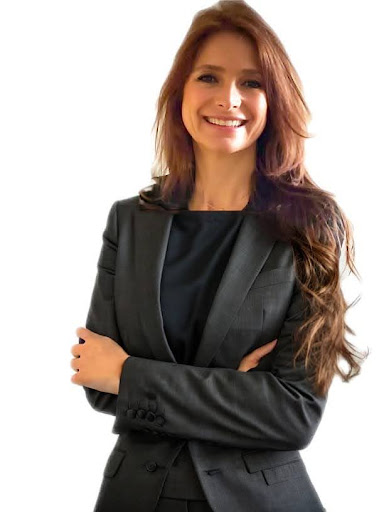
Meet Dr. Gwyneth Bravo, President of the newly formed CMS International Chapter.
Gwyneth Bravo is a historical musicologist, educator, and cellist with global leadership experience in higher education and the non-profit sector as a founder and president. She holds a Ph.D. in Musicology from the University of California, Los Angeles, and is Assistant Professor of Music at NYU Abu Dhabi and Global Assistant Professor at NYU. As President of the International Chapter of the College Music Society, Bravo is dedicated to developing pathways for global dialogue and exchange, emphasizing community engagement and partnerships towards the promotion of international understanding and global cooperation through music. A recipient of numerous awards and grants, including a Fulbright to Germany, Bravo’s scholarship examines relationships between music, politics, and philosophy in twentieth- and twenty-first-century European and global contexts. Recent publications include a co-authored chapter in New Paths in Opera: Martinů, Burian, Hába, Schulhoff, Ullmann (2022), an interview with the Cambodian composer Him Sophy in the Swiss Journal of Musicology (2022), and the Grove Music Online entry on Him Sophy (2024). Her monograph Staging Death: Opera’s Mortal Imagination in Works from Prague to Theresienstadt is forthcoming in 2025. Bravo has partnered with educational and cultural institutions in the USA, Europe, and the United Arab Emirates, advancing her research in service of diverse projects and initiatives. Appointed as a member of Global Diplomacy Lab in 2023, Bravo was named an Honorary Member of the Emirati Musicians’ Association in 2024. She lives in the UAE with her family and loves seeing her former students thrive in their chosen professional paths with music.
In her role as president, Gwyneth Bravo will work alongside the following individuals on the International Chapter Board of Directors and Advisory Council:
International Chapter Board:
- Mayco Santaella (Vice President)
- Zijie Ma (Secretary)
- Phillip Doyle (Treasurer)
Advisory Council:
- Susan Eldridge
- Yangmingting Fang
- Adalbert Grote
- Heather MacLaughlin Garbes
- Ana Moiseeva
- Linda Monson
- John O. Robison
- Alexandra Zacharella
We recently had the opportunity to reach out to Gwyneth to discuss the formation of and plans for the CMS International Chapter.
Q: What was your entry point into involvement with CMS? How has your work with CMS enriched your career?
A: In 2021, I had the privilege of serving on the CMS Presidential Task Force on Leading Change in Music in Higher Education, which, convened by former CMS President Mark Rabideau, was led by internationally-acclaimed pianist Awadagin Pratt (San Francisco Conservatory) and changemaker Mary Javian (Curtis Institute). Over the course of a year, working with eighteen colleagues from diverse institutions, I had the opportunity to witness the important initiatives CMS is undertaking to foster inclusion and diversity on many different levels. Another important aspect of CMS for me is the diversity of disciplines, professions, and perspectives represented by its nearly 5,000 members. In this sense, becoming part of the CMS community has felt like a true homecoming for me. I am very grateful to be here and to have the opportunity to be of service.
Q: What are your immediate objectives for the CMS International Chapter?
A: In terms of next steps, I feel it is important to define a shared vision for the development of the International Chapter that can guide our work in the coming months and years. To that end, my goal is to collaborate closely with the Executive Leadership of CMS, including our President Brian Kai Chin and Vice-President Yeeseon Kwon; my board colleagues in their leadership roles within our chapter—Mayco Santaella (Vice President), Zijie Ma (Secretary), and Phillip Doyle (Treasurer); and our advisory board members to define a remit for our future initiatives with the aim of fostering community engagement and opportunities for professional growth for our membership.
Q: The International Chapter will be represented during the 2024 CMS National Conference in Washington, DC. Can you describe the scope of those activities, as well as the role the International Chapter plays during CMS conferences at the national level?
A: We are excited to announce that the CMS International Chapter will be hosting its inaugural panel entitled “Music, Democracy, and Human Rights in National and Global Dialogue” as part of the upcoming CMS 67th National Conference in Washington, D.C. | November 7–9, 2024 The panel will feature three distinguished presenters: Ahmad Sarmast (Founder- Director of the Afghanistan National Institute of Music), Cynthia Schneider (Distinguished Professor of Diplomacy, Georgetown University) and Chris Jenkins (Scholar, Associate Dean of Academic Support, Oberlin College). As the convener of the panel, my goal is to highlight our International Chapter's commitment to contributing to the vital conversations at the conference with its theme: "Advancing Democracy: Empowering Action Through Music."
With the establishment of our chapter only having taken place recently in January 2023, the process of defining its specific role in conferences beyond 2024 is still ongoing. That being said, we envision a future of ongoing contributions and engagements at both the national and international level, as CMS advances its educational and cultural initiatives in the global space.
Q: How do you hope to see the International Chapter evolve over the next few years?
A: Among our many goals is the creation of a global portfolio for the International Chapter of CMS, which includes forging partnerships and alliances with diverse cultural and educational institutions at the international level. My hope is that these partnerships will provide a framework for the development of new programs and initiatives, which, in the face of so many global challenges today, can be focused on promoting international understanding and global cooperation through music.
CMS May Spotlight - Betty Anne Younker
Early Career Music Faculty Cohort
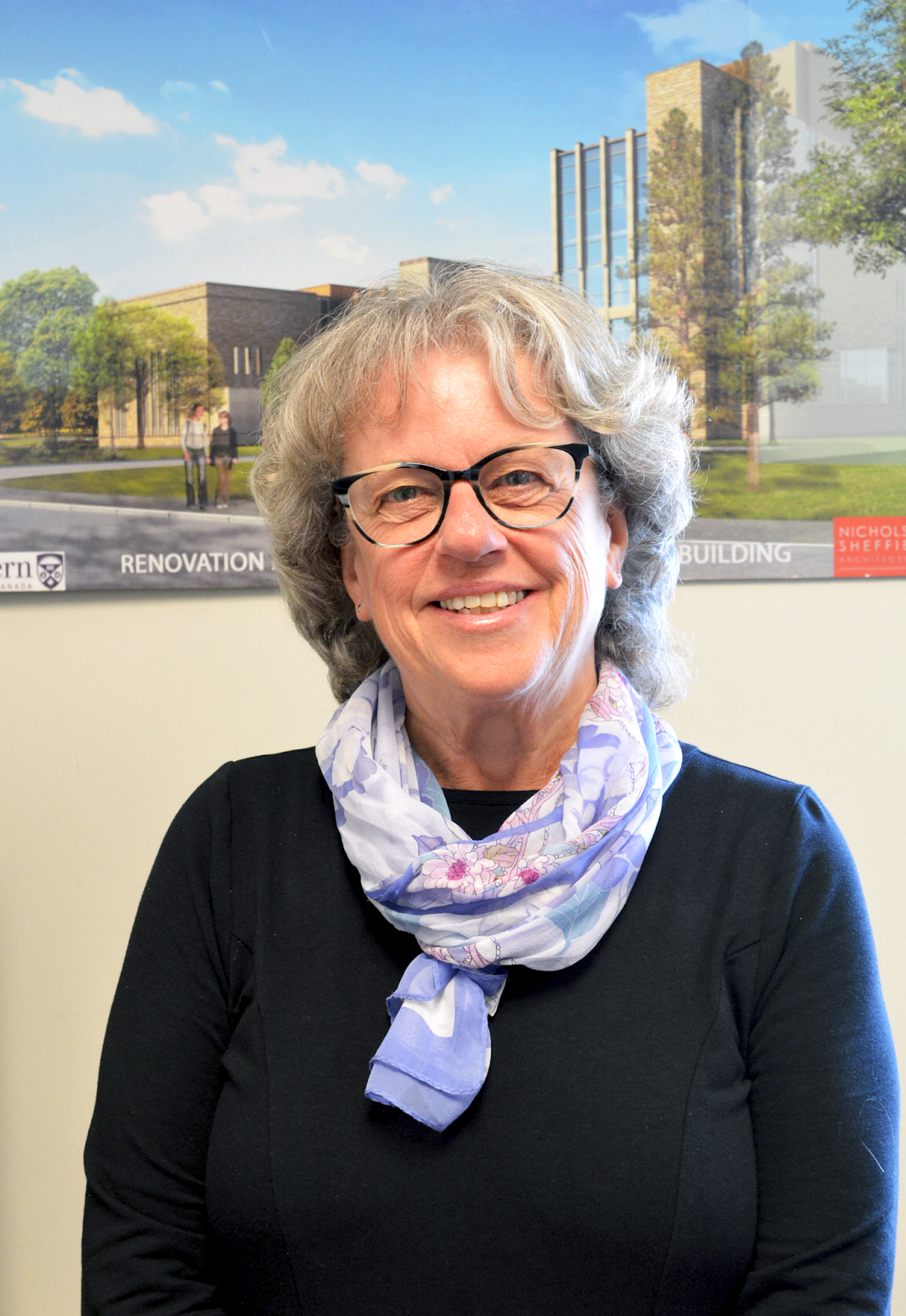
Dr. Betty Anne Younker served as CMS President from 2015-2016, and has since led CMS in numerous capacities, including her current role as co-facilitator of the CMS Early-Career Music Faculty Cohort, which she leads alongside fellow CMS Past-President Dr. Mark Rabideau. This cohort aims to provide professional development and peer support to faculty members navigating the earlier stages of their careers.
Dr. Younker is currently Adjunct Professor Emerita at the University of Western Ontario, following her service as Dean of the Don Wright Faculty School of Music from 2011-2021. Previous appointments were at the University of Michigan (2000-2011), University of Western Ontario (1997-2000) and the University of Prince Edward Island (1992-1997). During her time at Western she was awarded the Dr. Pedro Goldman Award Faculty of Music Students Council. In 2008, she was awarded the distinguished Alumnus of the Year by Pennsylvania State University College of Arts and Architecture. Her research interests include critical and creative thinking within the disciplines of philosophy and psychology. Publications include articles in national and international journals, and chapters in several books. Paper presentations have occurred at provincial, state, national, and international conferences. Before appointments at the university level, Dr. Younker taught music in the public school system and maintained a private flute studio.
We recently had the opportunity to reach out to Betty Anne to discuss the Early-Career Music Faculty Cohort and her larger experiences as a leader within The College Music Society.
Q: What was your entry point into involvement with CMS? How has your work with CMS enriched your career?
As a graduate student (PhD program) in music education at Northwestern, we were encouraged to be active in CMS. Both Peter Webster and John Buccheri were active and ensured we were aware of opportunities at conferences. My first paper presentation was in the mid-1990s in Minneapolis. I have been active in CMS since in a variety of capacities.
CMS has offered many opportunities, including gaining insights about how the Departments/Schools/Faculties of music function in college and university settings, the possible intersections amongst the subdisciplines from a research perspective, the varying values within and across the subdisciplines, and how pedagogy is approached and practiced. Each of these areas includes how we connect with each across subdisciplines and form relationships from a wholistic perspective.
The experiences within CMS, as noted above, has made invaluable contributions to me as a colleague in my home institution and also as an administrator–as a chair, an associate dean, and a dean. It provided me insights that contributed to discussions held in group and one-on-one meetings. Having an understanding of colleagues’ values, research, and practice can contribute to those discussions as solutions are sought and decisions are made.
Q: Can you briefly describe the structure and goals of the Early-Career Music Faculty Cohort?
The structure has included group meetings, with one meeting divided into two groups. We created a list of topics collected from the members via a survey, organized them, and created an ‘agenda’ for each meeting from the topics. We began by framing ‘the believing game,’ ‘brand,’ and ‘identity’ which allowed conversations to inform each other about each participant’s identity as well as think through what each brings that is unique. This conversation occurred across multiple meetings. Some of the topics have included workshopping, specifically, CVs and cover letters –that grew out of the discussion about ‘brand’ and ‘identity’ as well as talking through interviews and choosing references. As well, we have brought in speakers who spoke about their career trajectories and the processes involved as decisions were made about seeking and accepting offers. Other topics will revolve around networking, negotiating jobs, interviewing, and the processes for creating a new FT faculty line.
The goals are to provide insights about career path building while being flexible and fluid, to offer a platform for peer and other professional networking opportunities, and to discuss opportunities and challenges that are navigated in the early stages of an academic career.
Q: What do you most enjoy about co-facilitating this cohort?
Working with Mark (Rabideau, CMS Immediate Past-President) and Hannah (Pearson, CMS Director of Operations) within the CMS context, and hearing the participants’ stories and insights, and brainstorming with them as questions are posed and challenges articulated.
Q: What words of advice would you give to faculty members who are seeking support during the early stages of their careers?
Find mentors who have carved out career paths that are different from each other. Attend conferences like CMS to meet such mentors, and seek out what is offered at each conference. Find ways to connect with colleagues across the subdisciplines within departments, schools, and faculties of music. Have a five-year trajectory but remain open to possibilities that arise. And when you land jobs, become known for what you do and who you are as a valued individual member of the Faculty, and a valued team member who provides input at committee and student meetings, and supports colleagues (staff and faculty) and students. Take on leading roles and responsibilities with a secure understanding about who you are and how you function.
CMS April Spotlight - Rachel Roberts
(Program Chair, 2024 CMS National Conference)
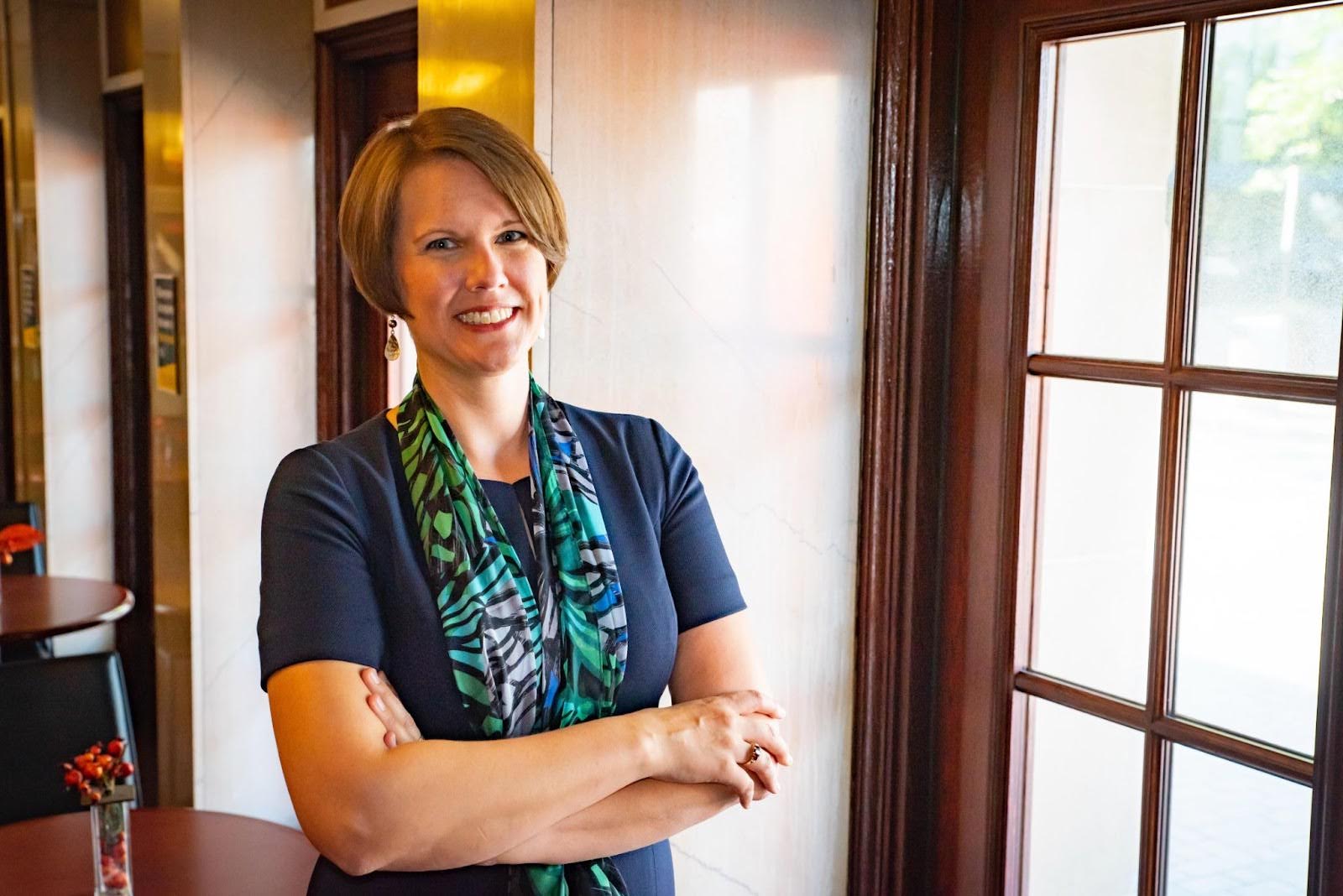
Rachel Roberts is the Program Chair for the 2024 CMS National Conference, which will be held this fall (November 7–9) in Washington, DC. In addition to her work as Program Chair with CMS, Rachel serves as the Director of the Eastman Institute for Music Leadership, overseeing all Institute activities and programs. As Associate Professor of Music Leadership, she continues to teach in and oversee Eastman’s fully online MA in Music Leadership graduate degree. In April 2023, Rachel also added the newly created position of Director, ESM Strategic Initiatives to help the Eastman Dean oversee the implementation of the goals, projects, and activities associated with the strategic plan. Rachel is currently pursuing her Education Doctorate from the Warner School of Education at the University of Rochester, with a focus in higher education leadership. In her spare time, Rachel teaches women’s self-defense and trains Gracie Jiu Jitsu; volunteers to facilitate AAUW salary negotiation workshops in an effort to eliminate the gender wage gap; is an avid runner, hiker, and kayaker; is always cooking new vegan recipes in her kitchen; and enjoys taking her Cocker Spaniel, Cocoa, on therapy dog visits throughout the greater Rochester community.
We recently had the opportunity to reach out to Rachel to talk about her role with CMS and what she’s most excited about for the 2024 CMS National Conference. We hope you enjoy reading her responses, and we hope you’ll join us in Washington, DC this fall!
Q: How did you begin your involvement with CMS, and what led you to join the program committee for the 2024 CMS National Conference?
I’ve been a member of CMS for quite some time - I think dating back to when I first started at New England Conservatory (2009?!). Throughout this time, what I’ve most valued about being a member of CMS is the opportunity to network, learn from, and think creatively with so many wonderful music professionals throughout the country. Over the years, I’ve been fortunate to present and collaborate with colleagues for various conference sessions, as well as serve on the Career Development and Entrepreneurship Committee. In 2021, I was delighted to be CMS’s National Conference liaison on behalf of Eastman School of Music when the conference was held here in Rochester, NY. From then, my involvement with CMS has only deepened - becoming (and still serving as) an active member of the CMS mentoring initiative; continuing to participate as a member of the CMS Committee for Re-Imagining Conferences; and being engaged as a member on the CMS Presidential Task Force for Leading Change under former CMS President Mark Rabbideau. It was through all of these experiences that I have continued to better understand the mission, the goals, and the future possibilities for the College Music Society. I was delighted to accept the invitation to participate in the 2024 Conference as Program Committee Chair, especially working alongside CMS Program Committee Chairs Mihoko Watanabe (2023) and Nicole Molumby (2025), and the outstanding CMS Program Committee of 2024: Jessica Muñiz-Collado, Christopher Jenkins, and Alexandra Zacharella. There are so many wonderful people - including the fantastic administrative professionals running CMS! - working together to think creatively and lead change on the important topics facing music and higher education. I’m so excited to watch the 2024 CMS National Conference continue to take shape for our gathering in seven more months!
Q: The theme of the 2024 CMS National Conference is "Advancing Democracy: Empowering Action Through Music." Can you describe how you came up with this theme and how it will be reflected in conference programming this fall?
When thinking about any project, I always try to take a step back to look at broader perspectives. What has been done in the past? What are the goals for this event? What is unique about this moment, this opportunity, this experience? Insert CMS 2024 into this equation, and there’s one big thing on our collective national agenda - the 2024 United States Presidential Election. Not only is CMS gathering in our Nation's Capital, home to a rich array of cultural experiences, but CMS is gathering here just days after the 2024 Presidential Election. The 2024 conference theme is a direct result of looking at this broader perspective.
None of us can predict what will happen with this election, nor what will be the resulting changes in our work, our lives, and our society. We can, however, make a commitment to leading change. We can make a commitment to empowering each other and supporting advocacy. And, we can make a commitment to advancing democracy - not just committing to vote on November 5, but committing to contribute to all forms of democracy, especially in our musical communities and lives. In the United States, we have a right to democracy, to promote it, and to defend it. The sessions, speakers, and performances that will be presented throughout this CMS Conference all aim to uphold the concepts of advancing democracy, and finding ways to empower action through music.
Q: Chairing CMS National Conferences is a lot of work! What has been your favorite part of the planning process so far? What advice might you give to future Program Committee Chairs?
This is easy to answer - working alongside such wonderful people!! It has been an absolute joy to observe and learn from the 2023 Program Committee, especially as I got to know the roles and responsibilities of the Program Committee Chair. As I dove into this role with the 2024 Committee, I have SO appreciated the thoughts, guidance, connections, and perspectives of so many involved. It really is a delight to be surrounded by passionate musicians who are exceptional leaders in the field.
Planning a conference of this size and scope is a mammoth undertaking. While there is one Program Committee Chair, this is only one role in the complex web of hundreds of roles to bring this event to life - everyone from the Program Committee and Program Sub-Committees to all of you, the CMS membership, who have submitted proposals, to the CMS administrative team, to all of our partners in DC and the surrounding areas helping to create this conference program. I feel honored to work alongside the 2024 Conference planning team, and am incredibly inspired by ALL the thoughtful ideas, proposals, and performances that were submitted through the submission calls. Again, a special thanks and shout-out to Jessica Muñiz-Collado, Christopher Jenkins, Nicole Molumby, Alexandra Zacharella, Jeff Leoffert, Charlie Chadwell, and Hannah Pearson - these exceptional colleagues have made this 2024 Program Committee Chair experience a dream!
For future Program Committee Chairs, my advice to you: have fun! This is a wonderful opportunity to connect with a diverse array of professionals across our field, and think critically about what topics the broader CMS membership can meaningfully engage with. Yes, there is work involved - anything worth doing (and doing well!) takes some effort. Yet with the right people working in collaboration together, the work can be enjoyable and incredibly rewarding.
Q: What conference highlights are you most looking forward to experiencing in Washington, DC, this fall?
EVERYTHING. Can I clone myself to be at every session and every event?!
As mentioned before, this conference will be held in a significant location at a significant time. There are a few pieces we’re still putting together that I can’t yet share, but I am very eagerly anticipating a few things:
- The partnerships! We have wonderful partners near and far that we’re working with to create exceptional experiences all throughout this Conference. We’re also creating opportunities to engage in policy conversations and the future of our work, critical at this particular time following the election.
- The performers and speakers! In addition to our CMS members' presentations and performing at our showcase concerts, we are excited to present inti-figgis vizueta as the Trotter Lecturer and John Chowning as the ATMI speaker. We’re also finalizing a few special musical guests to help us celebrate this conference together.
- The location! DC is an extraordinary location, home to a diverse array of extraordinary cultural arts programming. In addition to participating in the Conference, I hope you’ll be able to take a little time (maybe stay an extra day?) to enjoy all that DC has to offer!
- The little moments! From seeing old friends, meeting new colleagues, gaining ideas and inspirations from presentations, attending the CMS Presidents’ Reception (open to all members!), or experiencing something surprising (did someone hear about the bagpipes?!), it’s the little moments of connection that I always cherish at gatherings like this and hope you’ll find, too.
On behalf of CMS, I truly hope that you will travel to Washington, D.C., to share in this historical moment of democracy together. Our Conference program is simply outstanding thanks to each of you, and I know that every person will find inspiration in the musical ideas, work, and leadership on the theme of advancing democracy. I eagerly anticipate seeing everyone in Washington, D.C.!
CMS March Spotlight - The CMS Fund and President Bill Pelto

The CMS Fund is the 501(c)(3) philanthropic branch of The College Music Society. Led by CMS Fund President Bill Pelto and the CMS Fund Board, the CMS Fund supports the creative scholarship and professional development of CMS Members through development programs that include CMS Fund Grants and Student Travel Awards.
Most recently, the CMS Fund established The Eileen M. Hayes Fund for Equity and Opportunity. Formed in recognition of the leadership and professional commitments of ethnomusicologist and past CMS President Eileen Hayes, The Eileen M. Hayes Fund recognizes exceptional commitments to equity and inclusion in music in higher education.
We recently had the opportunity to reach out to Bill Pelto to discuss the CMS Fund and these new initiatives and we hope you enjoy reading his responses.
Q: For those who may be unfamiliar with the CMS Fund, can you describe the relationship between the CMS Fund and The College Music Society and the type of support the Fund provides to CMS members?
The CMS Fund serves as the philanthropic affiliate of The College Music Society. Donations from CMS members and others sustain the Fund’s efforts to support research, travel to conferences, and other activities of CMS. Most recently The CMS Fund has provided funding for the annual Celebration of CMS Authors reception at the national conference. To maintain the Fund’s administrative costs to a minimum, the CMS Executive Office provides generous logistical support to the Fund and its activities.
Q: Can you describe the purpose of The Eileen M. Hayes Fund and how you see this fund developing over the next several years?
The Eileen M. Hayes Fund for Equity and Opportunity is the CMS Fund’s newest venture. From its initial announcement just this past fall, we were delighted to receive pledges totaling nearly $15,000, with almost $10,000 already received. The Hayes Fund, designed to honor the remarkable contributions of CMS Past President Eileen M. Hayes, will recognize and provide financial support to individuals who demonstrate “exceptional commitments to equity and inclusion in music in higher education.” I see it as CMS’s way of putting dollars behind the Society’s ongoing mission to lead change regarding social justice in music and the academy. We hope that the Hayes Fund will grow to make a significant impact in recognizing disciplinary achievements that highlight and foster equity and opportunity in our field. That, of course, depends on individual commitments by CMS members and others to provide the dollars necessary, and we are committed to advancing that effort.
Q: Similar to The College Music Society, the CMS Fund is governed by a Board of Directors. How are Board members chosen, and how might CMS members go about increasing their own involvement with the CMS Fund?
The Board now numbers seven, all chosen by nomination from the CMS Board of Directors and/or by members of CMS. In fact, we’ll be issuing a call for new nominations very soon, so I would welcome CMS members to nominate (or self-nominate) as part of that process. Of course, involvement by contributing financially is always a welcome form of engagement, ensuring that we can fund our programs that serve the Society. Additionally, I’d invite everyone attending the national conference in DC this fall to join us at the Celebrating CMS Authors reception.
Q: In addition to the Eileen M. Hayes Fund, what types of initiatives do you and the CMS Fund Board hope to launch over the coming years?
Historically, the CMS Fund has provided annual grants to individual CMS members’ research projects related to technology, music education, and community engagement. Based on our past few years’ observations, the Board is now considering possible ways of shifting that funding to recognize research achievements rather than projects not yet realized. Additionally, we are working to revitalize our G. Wallace Woodworth Legacy Society, which encourages members to include The CMS Fund in their estate planning. Long term, we recognize that, in order to make a significant impact within an organization the size and scope of CMS, The CMS Fund should have a financial capacity about ten times its current level. That will involve lots of work, dedication by the Fund’s board, and affirmation by CMS members. We believe there is great potential for such growth, especially given the enthusiasm and commitment that is a hallmark of CMS.
Q: I’m a member who would like to donate to the CMS Fund! How should I submit my contribution?
First, thanks for considering a contribution to the CMS Fund! Donations are made easily through our website where individuals can choose where they would like their contributions targeted, including the new Eileen M. Hayes Fund for Equity and Opportunity.
CMS February Spotlight - Julie Johnson
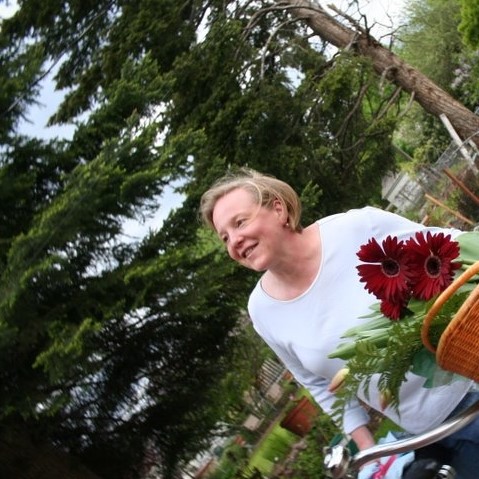
Julie grew up in a very small town in eastern Montana on the Canadian border. Her mother was a kindergarten teacher and her father was a farmer/rancher. Her love for music came early. Her father played piano and loved to play “Let me call you Sweetheart." The summer of her senior year of high school she lived with an exchange family in Omuta, Japan. After high school, she attended the University of Montana and studied music, did a study abroad with the UM Chamber Choral in Vienna Austria, and lived and worked in Brownsville Texas for three years before starting work at The College Music Society in 1994.
We recently had the opportunity to reach out to Julie to talk about her many contributions to CMS through her role as Director of Information Services, and we hope you enjoy reading her responses!
Q: Can you share a bit about your professional background and journey and how that led to your role with CMS?
A: I studied music at the University of Montana and had moved back to Missoula from Brownsville, Texas where I was the BISD staff accompanist. My dear friend and future colleague Beth (Rice) Mast suggested I apply for the part-time reception position, so I did. Robby Gunstream then hired me to answer phones and help the other part-time receptionist. I later took over the Directory of Music Faculties, CMS National Conference exhibits, and helped with the CMS Symposium online platform.
Q: You were the first face many CMS members saw at the registration desk at national conferences over the years. What are your favorite aspects of CMS conferences? Do you have a favorite conference memory?
A: Myself, Beth Mast, Peter Park, and many CMS interns were there to do whatever we needed to do to make registration easy, conference sessions run as smoothly as possible, and greet everyone who came to a national conference. I will say I have had the best colleagues. My favorite aspect of conferences was always seeing everyone, meeting new friends, having a wee chat, or maybe if luck would have it, an adult beverage or two. I have many, many memories of conferences past. I don’t think I can name one favorite memory. It was always the small things. A giant seafood tower in Vancouver BC, going to Yoshi’s in San Francisco to see Bud Shank, the sugar shack in Quebec City, celebrating 50 years of CMS in Salt Lake City, and trying to find a member’s shoes on a bus (that person will remain anonymous).
Q: Are there any specific projects or achievements in your career with CMS that you feel particularly proud of?
A: It is the most recent project that I worked on with David Schafer (thanks Dave). We now have a system that university departments and schools of music can use to update their faculty, degree programs, and administration (through the CMS Directory of Music Faculties) all online at any time. This project has been a long time coming. The system has plenty of room to grow and adjust alongside an ever-changing academic environment.
Q: Can you describe the best part(s) about working and living in Missoula, MT, the site of the CMS Executive Office?
A: I have a strong bias about living and working in Missoula, as a native Montanan. Missoula is one of those small cities that has a good university, a thriving arts community, great food, wonderfully kind people and you can still be out in the woods in about 10 minutes. The CMS Executive office is in a historical building in downtown Missoula, built by the local architect AJ Gibson about 1915. It is a beautiful space to work in.
Q: Congratulations on your retirement! What adventure(s) do you have planned next?
A: Thank you! I will be visiting some friends in Germany and Austria this February. I will work as a massage therapist, spending time at Echo Lake in the summer and maybe I will get to read the stack of books I have. My time working for the College Music Society membership and with my colleagues has been a profound experience for me. I have loved my job for the past 30 years and I am still astonished at the extraordinary people I have met, worked with, and for.
CMS January Spotlight - The NAMM Show
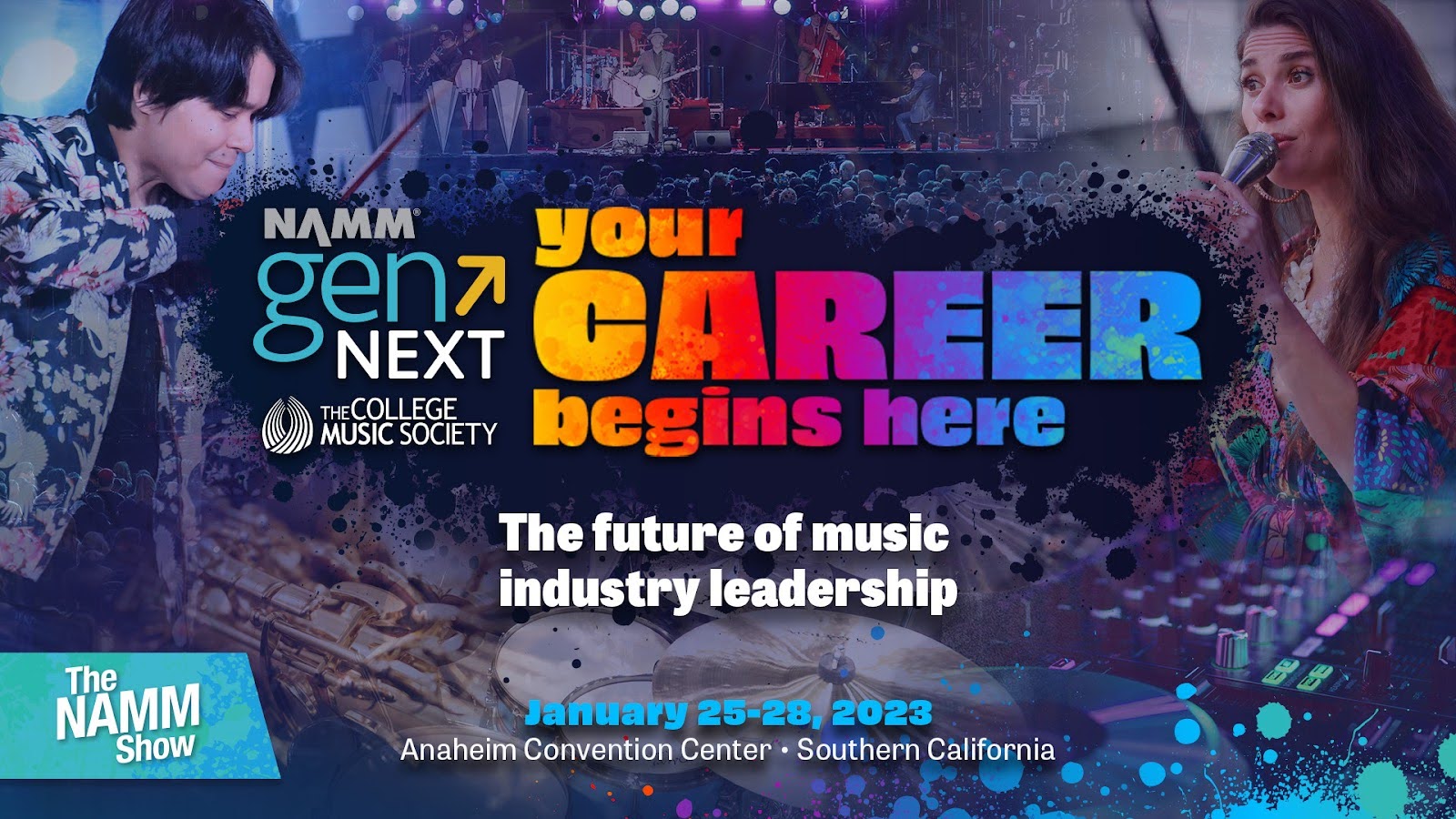
The NAMM Show is an annual event in Southern California, showcasing thousands of brands across the music, sound, and entertainment technology industries, as well as hundreds of concerts, education, and networking events. The NAMM Foundation’s GenNext program is a collaboration with the College Music Society (CMS) that offers college music students and faculty exclusive programming and access to career and professional development sessions. Students seeking careers in the industry have multiple opportunities to network with industry professionals eager to share their career path experiences and meet prospective employees. The program also offers college faculty professional development and networking sessions to stay informed on the latest teaching and playing music trends, pro audio and engineering, music technology, business, and industry.
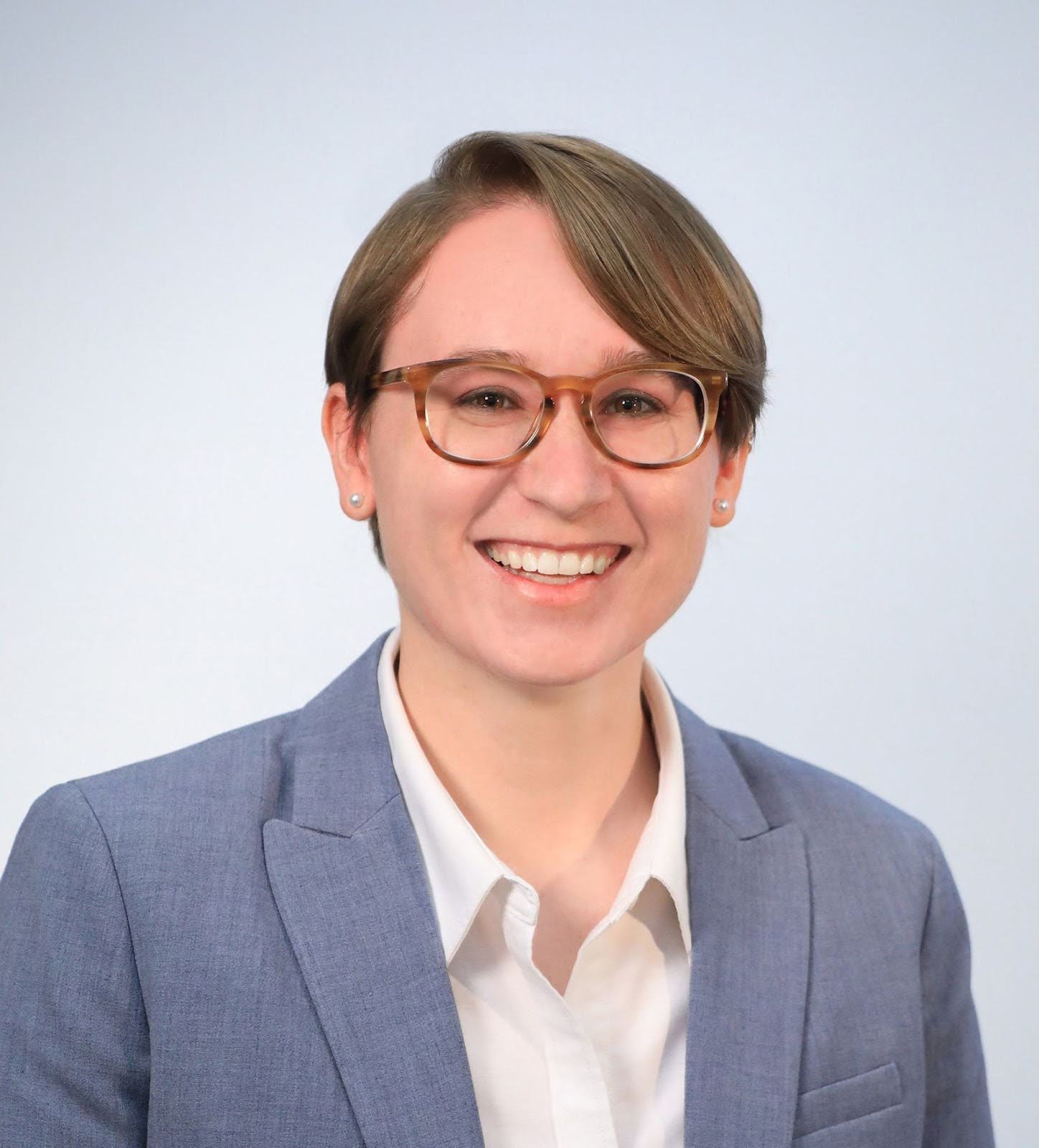
We recently had the opportunity to reach out to Bethany Gilbert (Project Manager, NAMM & The NAMM Foundation) to talk about The NAMM Show and the ways in which NAMM and The NAMM Foundation advocate for music education. Read below to find out more!
The NAMM Show is a global gathering of the music, sound, and entertainment technology industries comprised of manufacturers, retailers, music industry professionals, sound and lighting, pro audio, and the like, the GenNext program emerges as a visionary initiative, strategically crafted to cultivate future leaders and professionals in the field. Through educational sessions curated by a wide array of experts who cover various aspects of the industry from business and marketing to technology and innovation. This program is designed for college students and faculty to network, have exposure to industry trends, gain insight to the wide range of career opportunities, and create community.
Q: The Faculty Fellows program provides music faculty members with funding to support travel to The Show and grants them access to networking and professional development opportunities during their time in Anaheim. Can you share more about what this year’s Faculty Fellows have to look forward to?
This year’s Faculty Fellows have so much to look forward to – they will gather as a cohort of faculty who get the chance to know each other and experience the show together. They meet up every day to debrief, share ideas, learn together, and have tailored sessions just for them. There is a faculty mixer where they will get to network with an even larger group of faculty members. The Faculty Fellows also get a tour of the show floor and campus specifically designed for them given by NAMM Staff.
There are additional events such as the Grand Rally for Music Education on Saturday morning that celebrates music education and the collective impact on the future of art, culture, and music.
If you are a faculty member planning to attend the Faculty Mixer on January 27 at 5:30pm, please complete this RSVP form.
Q: What types of opportunities does The NAMM Show provide to music students?
The NAMM Show provides music students with opportunities such as networking with industry professionals and like-minded students, experiencing firsthand the latest products, technology, and innovative ideas occurring in the music industry. They have the chance to see all the various careers in music that are outside of the typical career paths most people know of. Learn more about our Careers in Music initiative here. Students are also invited to attend events like the NAMM YP Networking Reception where young professionals gather to connect and build community. Students can get as much out of the show as they put into it. They can work on a variety of skills just by interacting with others and having the courage to push themselves out of their comfort zones.
Additionally, college students can apply for the Lamond GenNext Award or the William R. Gard Scholarship to receive a stipend that supports travel needs and expenses of attending The NAMM Show. To learn more about these awards, please visit our website here.
If you are a GenNext student or professional under the age of 40 and would like to attend the YP Networking Reception on January 26 from 5-6pm, please complete this RSVP form.
Q: Can you describe what most excites you about attending The NAMM Show each year?
There is something truly special about The NAMM Show, and that would be the people that make up the music industry. They are some of the most inspiring, kind, motivational, funny, and just wonderful group of people I have come across. What excites me most about attending The NAMM Show is getting to see them in their environment, seeing what they have created, what new ideas they have, and seeing them build each other up.
CMS December Spotlight - Stefanie Dickinson
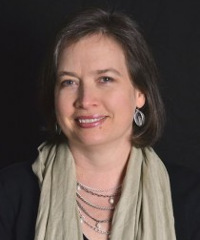
Stefanie Dickinson is Associate Professor of Music Theory at the University of Central Arkansas. Her primary interests are Liszt’s late experimental music and theory pedagogy. She has presented work on these topics at regional, national, and international meetings and published on them as well, most recently contributing to the award-winning Routledge Guide to Music Theory Pedagogy. She is a dedicated proponent of new music and is the featured collaborative pianist on a CD recording of song cycles by the American composer Karen Griebling on the Centaur label. She holds an undergraduate degree in piano and graduate degrees in piano and music theory. This summer she completed her second transatlantic crossing aboard the Queen Mary 2, an experience she highly recommends.
We recently had the opportunity to reach out to Stefanie to talk about her role with CMS, and we hope you enjoy reading her responses!
Q: How did you begin your involvement with CMS, and what led you to join the CMS National Board?
Like many members, I was first introduced to CMS as a graduate student through the Music Vacancy List. After I began a tenure-track appointment, composers at my university asked me to perform their works at regional CMS conferences. I soon realized that CMS was a special organization—one that offered opportunities for its members to present their work while making connections with colleagues in all areas of music. By the time I was asked to fill a vacant officer position in my regional chapter, I was hooked.
When a national board position opened, I was intrigued with the prospect of serving the organization while representing my area. I am grateful for the opportunity to shed light on issues in music theory with the general membership and share a theorist’s perspective with the Board and leadership of CMS.
Q: You recently hosted a joint CMS listening session with SMT Past-President Michael Buchler that was aimed toward providing resources for faculty who do not hold degrees in music theory, but who find themselves teaching music theory classes. What motivated you to address this specific issue within the field?
While a graduate student in music theory, I was fortunate to teach all of the undergraduate theory core under the supervision of excellent theory pedagogues. Although grateful, I realize now that I may have taken this for granted. A few years ago, my colleague in theory at my institution retired and the line was not renewed. Administration made the decision to rely on non-specialists to teach freshmen and sophomore theory classes to fill their loads. Because these instructors had never taught these classes and had not had the benefit of a graduate-level theory pedagogy class, they faced a steep learning curve. They have done a wonderful job, but in the two-week preparation time they were given, I sensed an element of panic. My composition colleague and I stepped in to offer support and materials. I realized that some of our members who are not theory specialists find themselves in a similar situation to my colleagues but lack the benefit of mentors in theory/composition at their schools. It occurred to me that CMS is the perfect organization to connect faculty familiar with resources in theory pedagogy with other instructors who unexpectedly find themselves teaching theory as a secondary area.
Q: What additional initiatives or topics do you hope to address during your tenure as Chair of the CMS Council on Music Theory?
One of the greatest strengths of CMS is also one of its most overlooked—regional chapters. I believe that within the CMS organization, “regional” means “relationships” and I am a strong advocate for participation at this level. Gathering annually at a smaller, more intimate conference allows members to get to know each other and fosters opportunities for collaboration made easier by geographical proximity and shared regional interests.
Over the years, my colleagues in the South-Central chapter have become dear friends. We communicate with each other outside of conferences and offer professional support as well as personal encouragement. I have come to know a great group of people that I can rely on and I encourage members not active in their regions to do the same.
Q: What advice might you give to early-career music faculty members who are in the early stages of teaching music theory?
This is an exciting time to be teaching music theory. With today’s more diverse and inclusive approach to music theory, we are encouraged to help students develop the ability to think and talk about music that they love and with which they identify most deeply.
I would encourage faculty in the early stages of their teaching career to seek out a mentor and opportunities for continuing education. Please be mindful that if you find yourself teaching theory exactly the way you were taught as an undergraduate, you may be doing your students a disservice. Music theory pedagogy is a developing field that draws on research in cognition, education, psychology, and other disciplines. There are a vast number of free, easily accessible resources available for any teaching environment.
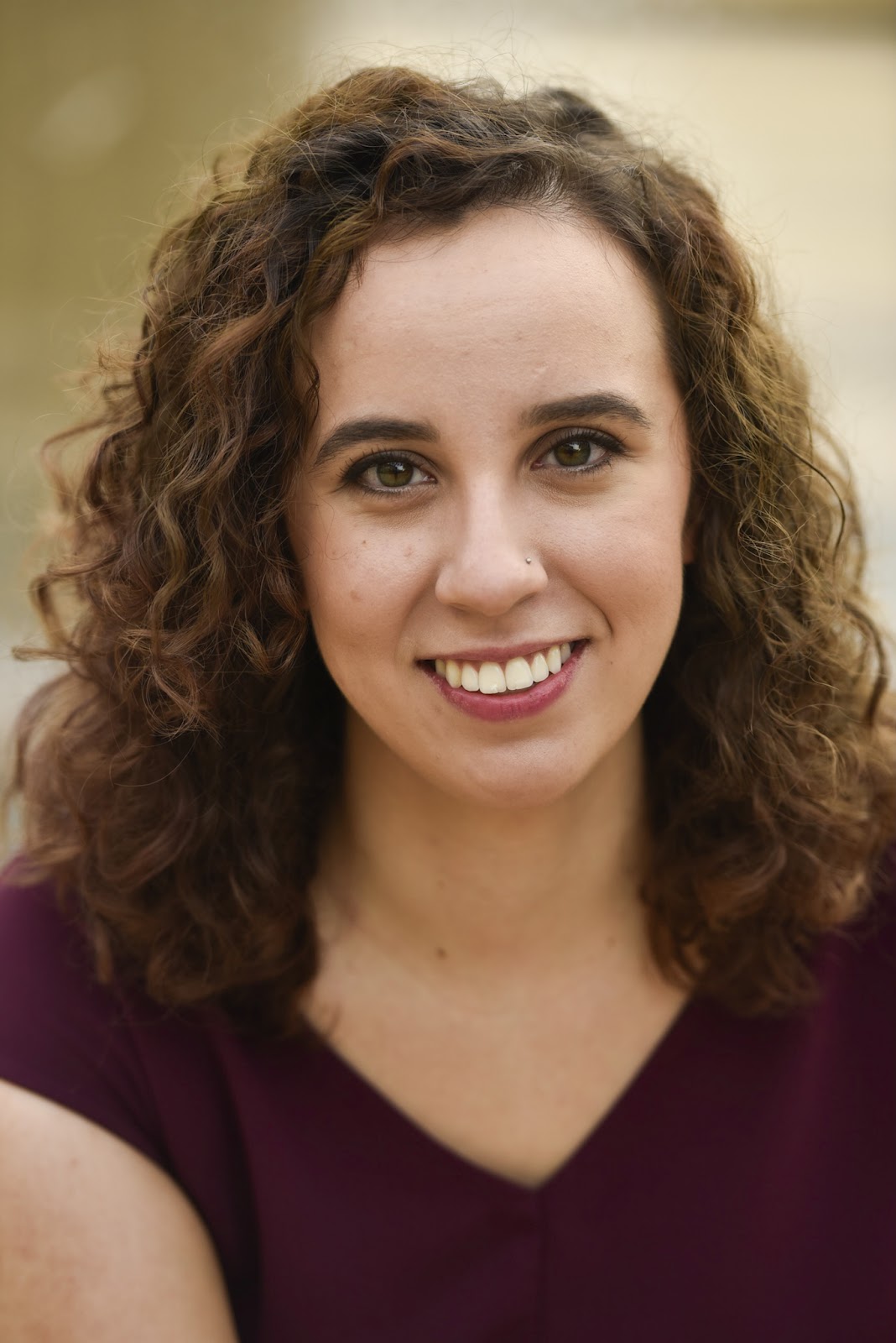
November 2023 - Kate Hamori
Kate Hamori is a PhD student in musicology at the University of California, Los Angeles. She currently serves as the student member on the CMS Board of Directors and has been an active member of the Student Advisory Council since 2019. Kate holds master’s degrees in musicology and library science from Indiana University Bloomington. Her recent musicological work has focused on intersections of cultural trauma, girlhood, and sonic violence as mediated by popular music and sound on social media platforms. Her interests in music librarianship include ethical cataloging practices, library instruction, information literacy, and social media outreach. A pianist and soprano, Kate is an active choral singer and enjoys accompanying the occasional high school musical whenever the opportunity presents itself.
We recently had the opportunity to reach out to Kate Hamori to talk about her work with CMS, and we hope you enjoy reading her responses!
Q: How did you begin your involvement with CMS, and what led you to join the CMS Student Advisory Council?
I joined CMS in my second year of undergraduate studies at the University of Indianapolis, when I submitted a proposal to present a paper at the 2019 Great Lakes Regional Conference in Menomonie, WI. I remember how welcoming and engaging everyone at the conference was, and I was thrilled when then-president Jay Batzner reached out to ask if I would like to represent the Great Lakes Chapter on the CMS Student Advisory Council. I was so thankful to have the support I needed to present at a conference so early in my career, so one of my main goals in joining the SAC was (and still is!) to help grant similar opportunities to other students.
Q: As the CMS Student Representative to the Board of Directors, you have the chance to directly participate in the governance of the organization. What have you learned through this role?
I’m still learning the ropes, but I was immediately struck by just how much every single board member cares about the organization. It can be intimidating, then, to jump into such an animated conversation as a relatively new member of the organization (and someone with little-to-no experience as a full-time employee in higher education). It was difficult at first, but I quickly learned that the board listens intently to my contributions and values my perspective as a student. It has been incredibly meaningful to represent my colleagues on the SAC in board meetings and contribute to conversations about the future of CMS as a student member.
Q: What are some of the most significant challenges facing students in music higher education today, and how can CMS members work to meet those challenges?
Getting a degree in music is such a unique experience; it requires students to face challenges that are unlike those of any other major on campus. There are challenges waiting around every corner—financial insecurity due to expensive equipment costs, unfair labor practices, discriminatory and exclusionary behavior both on and off stage, and insidious forms of abuse with little to no recourse, especially given the lack of anonymity in conservatory studios.
One of the best things CMS members can do to help students meet these challenges is to use their power to push back against the enduring emphasis on tradition in music disciplines that upholds and perpetuates unequal and oppressive power structures in academia. This means recognizing that as the world changes, so should our music programs. It means acknowledging that the arduous and often discriminatory experiences that today’s professionals faced back when they were students are not “rites of passage” that every student must go through, but unfair practices that were never okay in the first place. It means being willing to see mistreatment and inequality not as challenges for students to overcome, but rather as issues that institutions have a responsibility to address in order to protect the next generation of musicians and begin the work of dismantling the discriminatory practices that have long plagued music academia.
Q: What do you feel CMS membership offers to students? What advice would you give to students who are looking to become involved in the organization?
Students occupy a peculiar space within CMS, especially because the organization has such a strong commitment to professional development, pedagogy, and other topics that students might not yet be thinking about. I remember attending a panel on tenure-track positions at my first national conference and thinking, “What am I doing here? I don’t even know what tenure is!” But I think that feeling of unfamiliarity is also the thing that makes CMS so special— it’s an incredibly welcoming organization that is more than happy to have students engage in discussions about faculty concerns, and it’s a place where I’ve always felt comfortable asking questions about academic life that I might have been too shy to ask elsewhere.
When people ask me why I joined CMS, my answer is always the same: I joined for the people. I have made friends, colleagues, and professional connections through CMS that I will carry forward throughout the rest of my career. It’s been a place where I can explore all of my musical interests and identities, whether that be as a musicologist, a music librarian, a performer, a piano teacher, or a student.
My advice for students who want to be involved in CMS is to get to know the people who make up the organization. Whether that be in person, via email, or even via Twitter DM (don’t knock it ‘til you try it), the people you meet within CMS can become your greatest supporters, advocates, and friends. And, if you’re not sure who to talk to first, you can absolutely start with me!
[email protected][email protected]
@hamorikate on Twitter/X
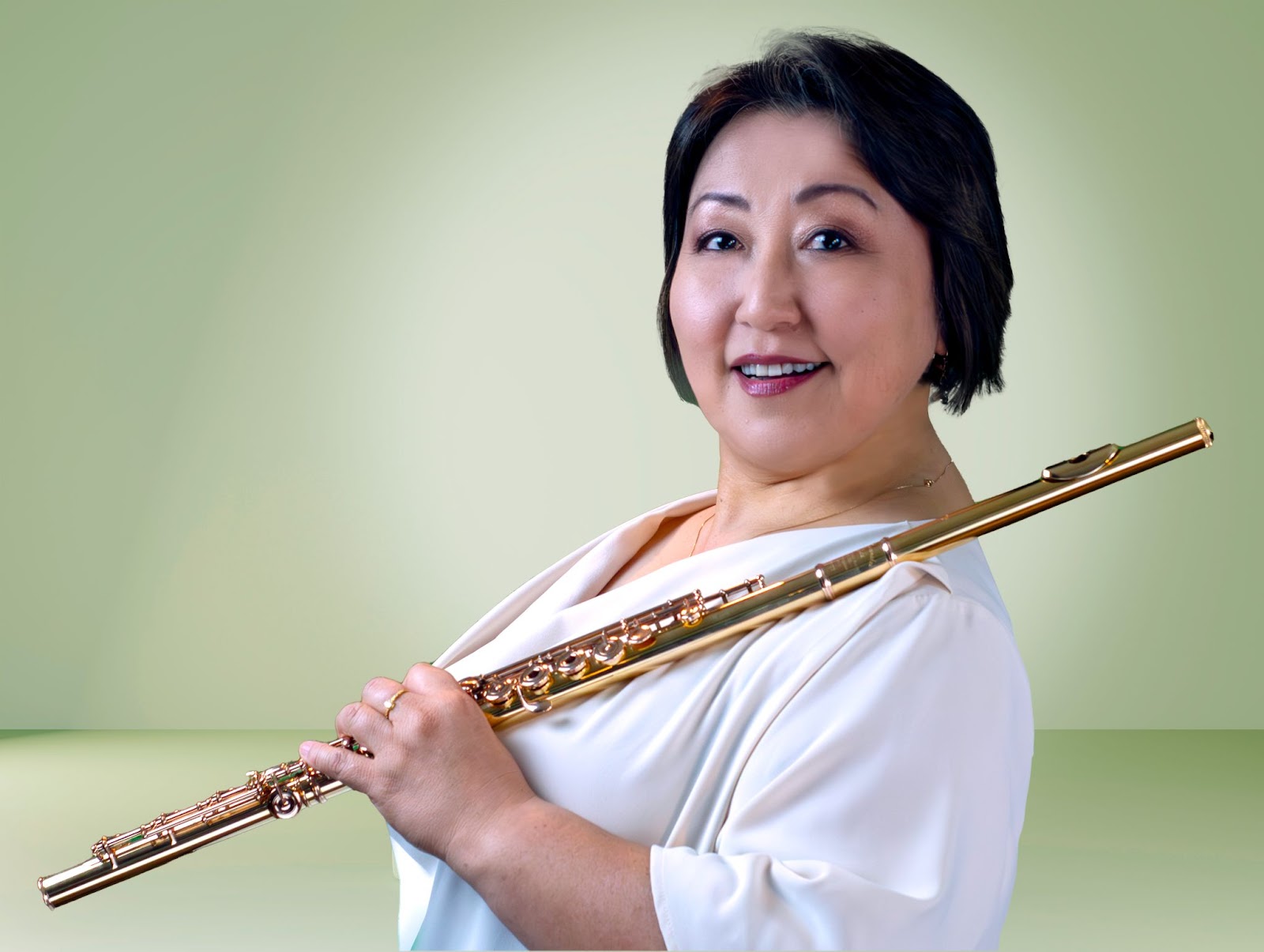
October 2023 - Mihoko Watanabe
Dr. Mihoko Watanabe is the Program Chair for the 2023 CMS National Conference, which will be held this fall (October 26-28) in Miami, FL. In addition to her work as Program Chair with CMS, Dr. Watanabe is a professor of Flute at Ball State University and Chair of the Certificate in Entrepreneurial Music Program. She is an active chamber musician and performer, having won competitions sponsored by the Japan Flute Association and National Flute Association and serving as a founding member of Trio Piacere (flute, cello, piano), Hibiki (flute, viola, harp), and Duo Viva (2 flutes). As a partial fulfillment of the National Endowment of Arts grant and a member of the faculty resident chamber ensemble, Musical Art Wind QuintetAlbany, they recorded "American Breathe" (Albany Records). Dr. Watanabe has held several principal flute positions and currently serves as principal flutist of the Orchestra Indiana, performing with the Indiana Symphony Orchestra as a substitute. Dr. Watanabe advocates for entrepreneurial music studies and is devoted to ethnomusicology through her research in traditional Japanese music.
We recently had the opportunity to reach out to Mihoko Watanabe to talk about her role with CMS, and we hope you enjoy reading her responses!
Q: How did you begin your involvement with CMS, and what led you to join the program committee for the 2023 CMS National Conference?
I have been a member of the College Music Society since 2003, when I sent my first proposal as a first-year tenure track faculty. I was so excited, and I nerd out on all areas of music professors' presentations, performances, and discussions from all over the US and overseas. What let me be a part of the program committee for 2023 goes back to 2014 when I participated in the CMS Paris Study Tour (See the last question). It was such an impactful trip that Ball State University School of Music created the Entrepreneurial Studies in Music Certificate Program, which launched in 2016. During the process of making this program, I have researched, gone to many conference presentations, and sought advice from many leading music entrepreneurs and professors, such as Mark Rabideau, Taylor Harding, David Cutler, Rachel Roberts, Jeff Nytch, Jennifer Rosenfeld, and Jim Doser, to name a few. I am so grateful for their kindness and expertise. Last year, one of my brilliant mentors, President Mark Rabideau, invited me to be the program chair for the 2023 National Conference. Since then, I have been honored and delighted to serve in this capacity.
Q: The theme of the 2023 CMS National Conference is "The World Becomes What We Teach: Innovative, Inclusive, Empathetic, and Joyful." Can you describe how you came up with this theme how it will be reflected in conference programming this fall?
The COVID-19 pandemic changed many aspects of our lives, including the climate of Higher Education. It changed not only the budget, learning system, and inclusivity but also the world, which became much closer with online video conferencing communication and teaching. With these changes, how can we prepare future musicians? With CMS's commitment to leading change in higher education about how we might better prepare musicians, we are transforming ideas from what we teach NOW to become the FUTURE in the rapidly evolving globalized society by discussing innovative, inclusive, empathetic, and joyful ways. I am hoping everybody will take home ideas to share at their institutions.
Q: Chairing CMS National Conferences is a lot of work! What was your favorite part of the planning process? What advice might you give to future Program Committee Chairs?
It has been a great pleasure to work with a fantastic program committee: Gabriel Alegria, Jeff Nytch, Mayco Santaella, and Rachel Roberts. Their experience and commitment were so inspiring. During my planning period, there were some executive officer changes: Jeff Loeffert (Executive Director), Hannah Pearson (Director of Operations), and Charlie Chadwell (Conference Planner), whom I communicated with directly. I am deeply grateful that the Executive Office team helped me so much. If I were to give a piece of advice to future Program Committee Chairs, it would be to listen to conference participants' voices in the survey, in person, or by email. I hope conference participants participate in the survey constructively vise-versa. Every Program Committee chair would like to create good programs for the membership and the organization, and we are inclusively making a fantastic organization together.
Q: What programs/events/concert(s) are you most looking forward to experiencing in Miami this fall?
I look forward to all the programs, events, and concerts because the selected proposals showed their passion and will be presented at the highest level. I wish I had a clone so that I could attend everything. Even if you are not presenting this time, I want everyone to come and celebrate the offerings. I love going to inspiring and thought-provoking plenary sessions. For the 66th CMS National Conference, I am so happy to share Gretchen Amussen, who will be one of our keynote speakers at the Opening Session. She is not a stranger to some who went on the CMS Paris Study Tour in 2014. She organized the CMS Paris Study on the Paris side. I greatly respect her skill set, work, and passion for helping arts organizations globally with diversity-equity-inclusive, arts institution education, and communication and strategy. She will bring us European Conservatories' driving change with global and European perspectives to consider for the arts. I look forward to the ATMI Music Technology Lecturer, The Honourable Elizabeth A. Baker's sonic and spatial exploration. I look forward to Omar Thomas' talk, the Robert M. Trotter Lecturer and American award-winning composer, arranger, and educator, about his musical world. Also, I am so grateful to the University of Miami Frost School of Music's faculty and students for performing and welcoming the CMS members. I hope all current members come to the 66th CMS National Conference in Miami, FL, to meet people and let's chat about current topics.
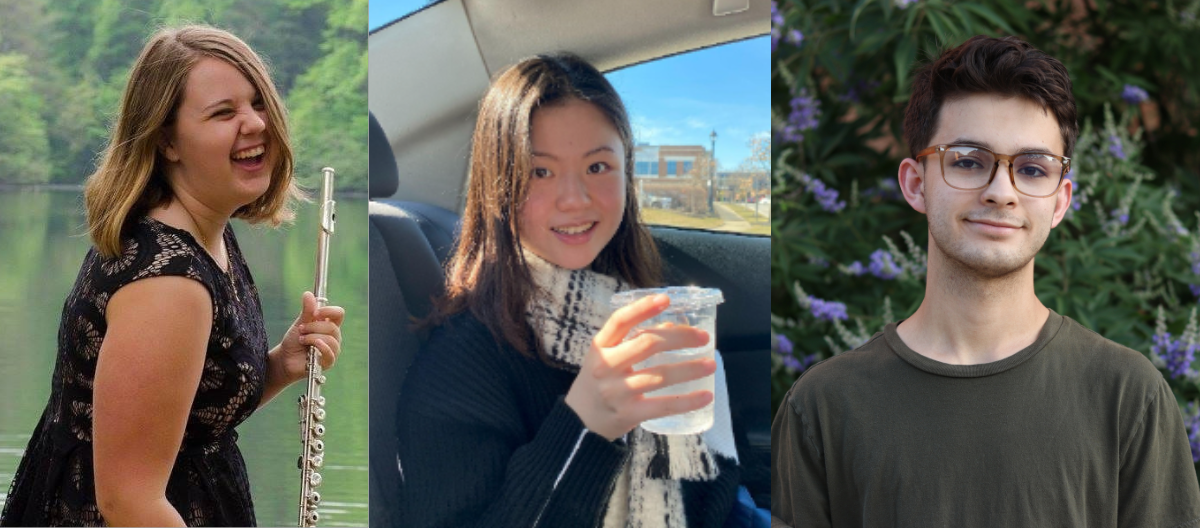
September 2023 - CMS Interns
The CMS Staff is grateful to have the opportunity to work with three outstanding interns this year! Read the Spotlight below to learn more about interns Gabriel Benedict, Rebecca Needham, and Lena Yang.
We’ve enjoyed our work with Gabriel, Rebecca, and Lena so far, and we can’t wait to continue our work together.
Lena Yang (CMS Symposium Intern)
School/Area of Study: Oberlin College and Conservatory; Musical Studies Major / Cognitive Science Minor
Primary Instrument: Accordion
Lena (Huizhou) Yang is currently a rising senior, studying Musical Studies and minoring in Cognitive Science at Oberlin College and Conservatory. Lena is an accordionist,music researcher, and music manager who likes discovering all the possibilities in music.
Lena has been a member of CMS since she came to Oberlin: she was attracted by not only the amazing publications but also the opportunities to link musicians coming from different fields together. Lena is also interested in spreading the music to more music lovers beyond musicians via The College Music Society. Therefore, working as a CMS Symposium Production Intern helps her better realize her goals. She’s most looking forward to discovering more research opportunities and gaining a well-rounded understanding of the operation of Symposium production. Moreover, as a passionate music researcher, Lena’s eager to get more involved with symposiums and conferences held by The College Music Society. She looks forward to becoming a more experienced editor and conference coordinator in internship. For the current issues in music higher education, Lena thinks the limits in musical diversity is most relevant. That is, she would like to listen to more repertories written by composers from different cultural backgrounds being performed and gain the opportunities to further discover more world music.
Gabriel Benedict (CMS Airtable/Database Intern)
School/Area of Study: University of North Texas, BA in Music
Primary Instrument: Violin
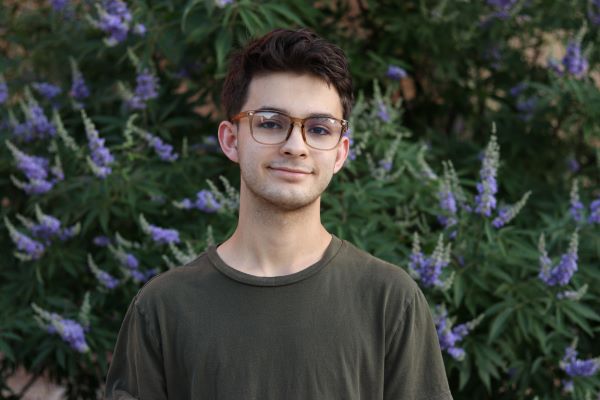
Earlier this year, I graduated from the University of North Texas with a Bachelor of Arts in Music. Although I am taking a break from my studies to focus on career development, I am considering attending a technical school to acquire a degree in stringed instrument repair. I have been playing the violin since before I was in kindergarten, and have developed a keen interest in the technical work it takes to protect, maintain and even create stringed instruments.
I was motivated to apply for an internship with CMS by the recommendations of my college professors and peers from the music business program at UNT. After looking into the organization, I thought that working to support CMS would make for a great experience, providing me with the chance to assist in their mission of promoting positive change across higher education in music.
In regards to the internship itself, I am most looking forward to the collaborations I will be doing with members of the CMS staff and fellow interns. I have already had the chance to meet with many of them, and I am looking forward to undertaking projects alongside them.
I believe music students in higher education face low preparation in terms of technological competence in both their personal lives and their workplaces. Many musical activities are enhanced with or unachievable without technological tools and experience. Institutions of higher education in music should work to raise the level of technological saturation in their curriculums in order to foster upcoming generations of musicians who will be born into our ever-evolving, technology-rich society.
Rebecca Needham (CMS Conferences Intern)
School/Area of Study: James Madison University, DMA in Flute Performance, Pedagogy, and Literature
Primary Instrument: Flute
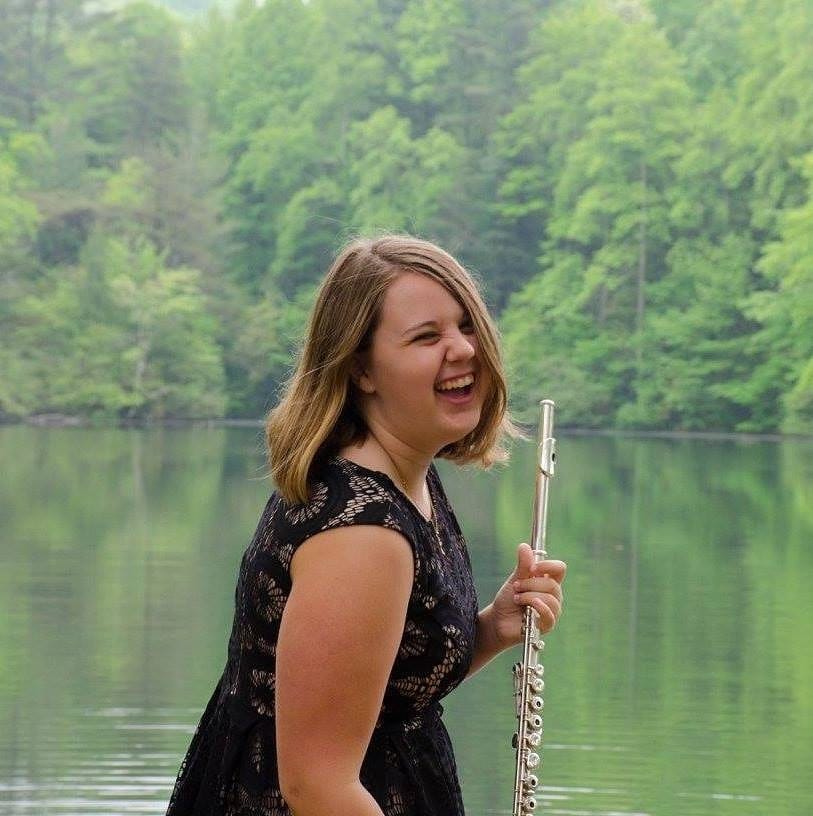
I was drawn to an internship with the College Music Society because of my passion for music academia and desire to meet more of the music academic community. Pedagogy is a key focus in my degree and I hope to learn more about how institutions run and the ways I can help make a difference. I am most looking forward to working with everyone at the National Conference in Miami this year! One issue in higher education music programs that I think is particularly relevant is a need for more career-based instruction. Especially in programs with a smaller variety in types of music degrees, students can benefit from seminars from various people working in fields of music that they may have never heard of before, from music therapy, to arts administration, to music cognition, to instrument technicians.
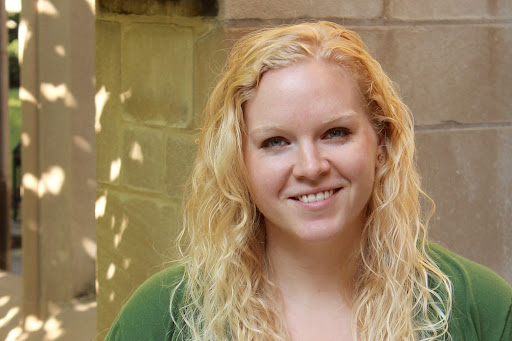
August 2023 - Katherine Pukinskis
Dr. Katherine Pukinskis recently joined CMS as a program committee member and keynote speaker for the 2023 International Conference, which took place in Lithuania, Latvia, and Estonia. Pukinskis is a composer-scholar whose work explores storytelling and voice—tracking how words and ideas travel in music, across the world, and over time. Dr. Pukinskis’s research and practice revolve around notions of cultural identity, diaspora, music for voices, and activism. She has presented her original compositions and research across the United States and Europe. Pukinskis is an Assistant Professor of Music Composition and Theory at Carnegie Mellon University’s School of Music.
We recently had the opportunity to reach out to Kate to talk about her role with CMS, and we hope you enjoy reading her responses!
Q: How did you begin your involvement with CMS, and what led you to join the program committee for the 2023 CMS International Conference?
My connection to CMS started with Heather MacLaughlin Garbes, who was the (inimitable) Conference Program Chair for the 2023 trip to the Baltics. Heather is one of those people who expertly networks and connects people with one another, so she opened the door for me to start a conversation about being involved. Since I am a Latvian-American composer and a researcher who specializes in the Latvian Song Festival and the nation’s choral traditions, I was able to offer a geographically-specific point of reference for the program committee. I was part of a great team that included Jennifer Blyth and Douglas Buchanan.
Q: Your keynote address, delivered at the VEF Cultural Palace in Riga, Latvia, described the Latvian Song Festival, held only once every five years. Can you (briefly!) describe the history, scope, and impact of this festival for those who may be unfamiliar with it?
I’ll try to make it brief, but anyone who was on the trip this summer knows that I’ll happily talk about the Latvian Song Festival for hours!
The Baltic nations each have their own song festivals, and unique traditions surround the celebrations. The Latvian Song Festival started in 1873 and has been held every five years since; through the official recognition of the nation (in 1918), world wars, 50 years of occupation, and many decades of freedom in between. For ten days in the summer, it feels like the whole country presses pause and empties into the capital city Rīga, where you can find tens of thousands of people (ages 2-96) dressed in traditional folk costumes, singing songs, dancing, and playing music by only Latvian composers. This year, the celebration featured some 16,000 singers, 16,000 dancers, and another 4,000 or so instrumentalists, and multiple concerts are held concurrently from 10am to midnight every day. An estimated 500,000 people attend the celebration. The festival’s meaning has evolved greatly over the past 150 years, but at its core is a deep admiration for the earth, nature, and the pagan and folk traditions that helped to form and fortify the nation.
Q: The 2023 International Conference was your first CMS international conference. What experiences and/or observations during the conference did you find most meaningful?
I live for those moments where someone opens up my worldview in an unexpected way or gives me something to think about that just tangles itself in my brain for hours. There were a number of presentations and conversations that have really stuck with me, and people whose views, ideas, and work have challenged me to try new things and think differently in my own teaching, research, and composition.
I was also surprised by how meaningful it felt for me to be part of the link that introduced the Latvian Song Festival to the conference participants. These traditions and histories are not widely known outside of the Baltic nations, so to get to watch my fellow travelers see and hear and experience this place, to come to know it in this way, was extraordinarily impactful. [CMS President] Mark Rabideau liked it so much he said he wants to go back for the next festival in 2028!
Q: What advice might you offer to CMS members who might be interested in contributing to future CMS international conferences?
If you can make it work, go! I had such a great time meeting people that I don’t think I would have easily come across in my career without this unique setup, and the conference was just chock full of amazing humans and memorable moments. It was such a gift to be able to catch someone for a quick chat at breakfast, on a bus ride, waiting in line to check into a hotel, leaving a concert, and just ask them a question or build a connection. It was wonderful to be able to start conversations and keep nudging them forward over the ten days we had together, and I was definitely able to plant some wonderful seeds of professional connection and personal friendship that I’m excited to nurture and help grow in the years to come.
July 2023 - Heather Garbes
CMS International Conference Program Chair and International Initiatives Committee member Heather Garbes is currently Affiliate Assistant Professor at the University of Washington, where she helped develop and maintains the UW Baltic Choral Library, the first collection of its kind in the United States. She is also Founder and Artistic Director of the Mägi Ensemble, a women’s ensemble that performs and records Baltic music. Dr. MacLaughlin Garbes has presented at ACDA National and Divisional, College Music Society’s National and International conferences, the Library of Congress and the Association for the Advancement of Baltic Studies conferences
In her capacity as Program Chair for the 2023 International Conference, Heather worked alongside the Program Committee and CMS Executive Office to plan a 10-day cultural immersion experience that will take conference participants through Lithuania, Latvia, and Estonia. The 122 conference participants will be able to share ideas and scholarship with one another all while taking in the cultural institutions these countries have to offer.
We recently had the opportunity to reach out to Heather to talk about her role with CMS, and we hope you enjoy reading her responses!
Q: When did you become involved with CMS, and what led you to join the International Initiatives Committee?
A: My first CMS experience was as a graduate student when I presented at the 2007 National Conference in Salt Lake City. I met so many people and felt very supported and encouraged. When the posting for the next International Conference in 2009 came up, I applied and was accepted and had a wonderful time in Croatia. Because of my research focus in the Baltics and Scandinavia, I felt that the International Initiatives Committee would be a good fit for me to be able to share my experiences and knowledge and to promote collaboration between those areas and faculty in other parts of the world.
Q: The schedule for the 2023 International Conference is quite full! How did you approach curating this travel experience for conference attendees?
A: I have been traveling to Estonia, Latvia and Lithuania annually for almost 20 years, so I had so many ideas for experiences, performances and people to showcase that I had a hard time figuring out what we could do and what would unfortunately have to be left out for this conference. I tried to find a balance between folk, classical and jazz performances and lectures and also looked to highlight performance, music education and music entrepreneurship to try to give a balanced program that touched on areas that most participants have experiences with in their current professional positions. Along with that, experiencing the culture, history, food and traditions in each country is one of the main goals of the CMS International Conferences and this schedule has so many unique opportunities for that.
Q: What Baltic cultural experiences do you hope will be most impactful for conference attendees?
A: There are events in all three countries that I can’t wait to share with the conference participants. In Lithuania, we have the great honor of hearing a performance by the great-grandson of the national composer and artist M.K. Čiurlionis. In Latvia, we will be able to take in all of the sights, sounds and energy of the National Latvian Song and Dance Festival and in Estonia, we will be spending time out by the Baltic Sea in Laulasmaa, the former Soviet summer home area to composers as well as the Arvo Pärt Centre.
Q: What have you most enjoyed about being conference chair, and what did you find most challenging?
A: I have really enjoyed the planning overall. Our local contacts in all three countries are very excited to have the conference at their institutions and are looking forward to making wonderful contacts with their international colleagues. The fine details of scheduling and timing have been my biggest challenge because as I mentioned above, I was trying to fit too much into each day without taking into account all of the logistics involved with that.
Q: What words of advice might you offer CMS colleagues who are looking to incorporate a greater international focus within their own fields of study?
A: The International Conferences are a wonderful way to make those initial connections if you are interested in studying a particular country or area. Not only can you learn about the country in which you are traveling, but there is such a vast amount of knowledge and connections among CMS members that attend the conference that there will always be someone who can be that first point of contact for an area that you would like to explore.
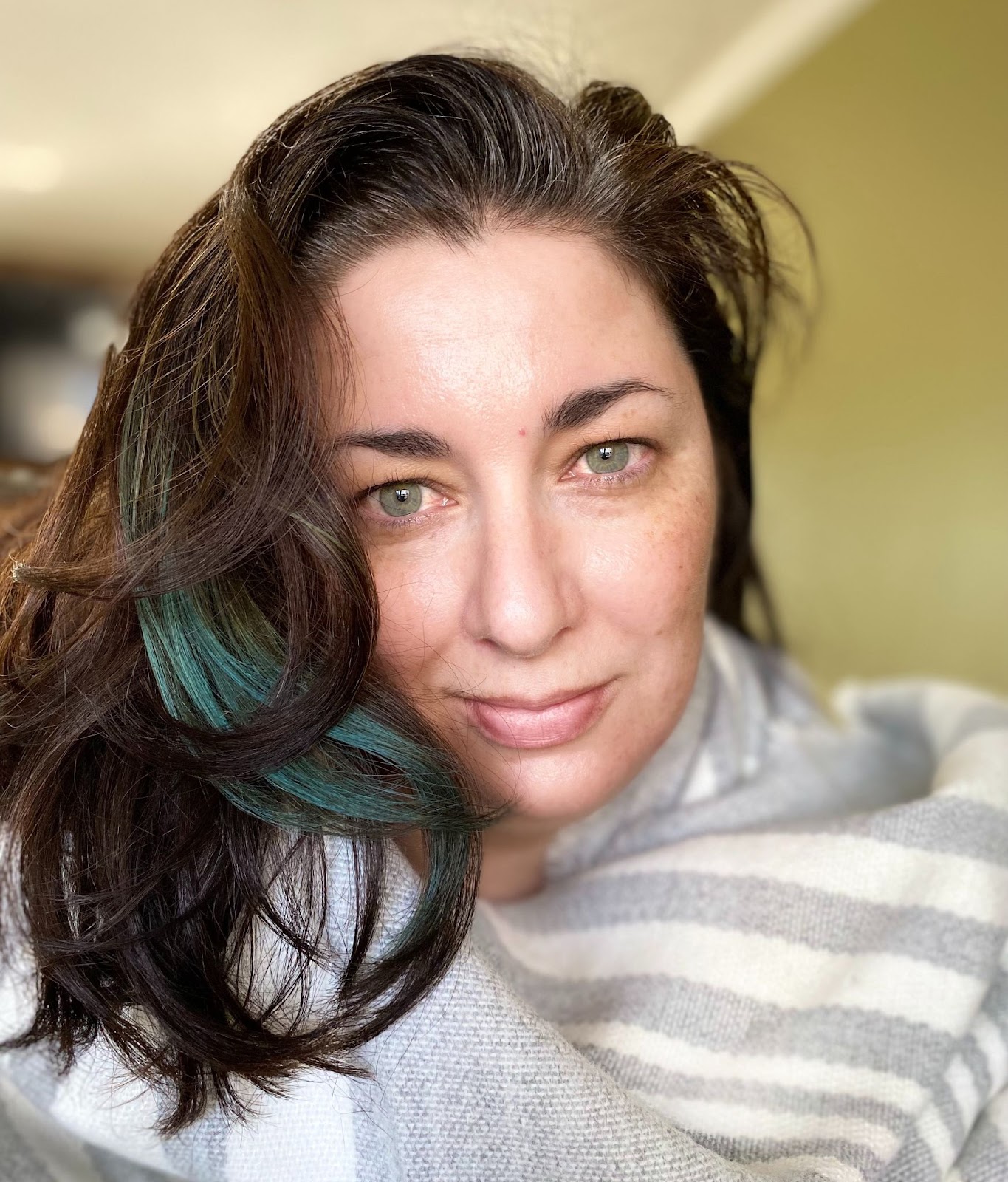 June 2023 - Jennifer LaRue
Dr. Jennifer LaRue is an active member of the CMS Student Advisory Council and Committee on Academic Citizenship and also served on the CMS Presidential Task Force for Leading Change. Jenn spent her formative years in the suburbs of Toronto, Canada and holds degrees in flute performance and ethnomusicology, as well as a PhD in Music from the University of Georgia. Her dissertation research focuses on Akin Euba’s opera Chaka: An Opera in Two Chants. She has received awards for excellence in teaching and research, including a Graduate School Dean’s Award from the University of Georgia.
We recently had the opportunity to reach out to Jenn to talk about her role with CMS, and we hope you enjoy reading her responses!
Q: How did you begin your involvement with CMS, and what led you to join the Student Advisory Council?
A: In the summer of 2019, an email went out over our graduate music student listserv, asking if anyone would be interested in becoming involved as the CMS Southern Chapter Student Representative. I had already been thinking about branching out and attending conferences beyond the Society for Ethnomusicology, and I was intrigued by the idea of a conference with people from across music disciplines. Since I was the Southern Chapter’s Student Rep, my involvement with the SAC began right away, and I was immediately struck by the care and encouragement that Dr. Gene Trantham and Dr. Jenny Snodgrass showed as mentors.
Q: How has your engagement with CMS impacted your career in music higher education?
A: Being involved in CMS has opened so many doors, from opportunities to collaborate on projects such as the Presidential Task Force for Leading Change and the Student Bill of Rights to connections with colleagues across the country. I’m so grateful for these relationships, which have been a source of encouragement and advice during the challenges of finishing the PhD and have sparked new ideas for future work.
Q: Last fall, you worked alongside the Student Advisory Council and the Committee on Academic Citizenship to facilitate the formation of a Student Bill of Rights. Can you share more about what this process looked like and describe the importance of a Student Bill of Rights?
A: The process is still ongoing, though we paused things for a bit while Kate Hamori and I both finished degrees. We began a few years ago in the CAC Student Life Subcommittee as we began to list what music students face, from the added financial burden that music study brings to mental health and performance. We held listening sessions to get a sense of what students would want to see in a Bill of Rights, and eventually came up with a draft for the first component. In this section, we focused on what truly makes music students different from other students on campus; namely, the relationships they often have with individual professors. This one-on-one dynamic can be amazing, but like any relationship with an unequal power dynamic, it can be fraught. We want to empower students to know the importance of setting boundaries and their own agency in career planning, gigging, and musical expression. Of course, we know that many faculty already engage with their students in this way, but we also know that unfortunately, this is not everyone’s experience.
Q: You recently completed your Ph.D in Music with an emphasis on Ethnomusicology – congratulations! Do you have any advice for CMS members who find themselves in a similar stage of their careers? How did you balance active involvement in professional organizations with your academic workload?
A: Someone once told me that the PhD is a degree of perseverance–it’s absolutely true! Recognizing that it was a marathon, not a sprint, allowed me to focus on doing what was in front of me to the best of my ability. For those of you still in the thick of things, keep going! But also, find the things that bring you joy which aren’t related to your research or performing. I took up watercolor towards the end of my degree and it was so nice to focus on something that wasn’t writing. And if necessary, schedule time to do those things. Meticulous planning is the key to keeping things balanced for me: thinking through how many assignments I need to grade in a day to be finished by the end of the week, or what section of a chapter I’m writing Tuesday afternoon. Blocking off time each week for research, writing, grading, and committee work (and keeping to my schedule as much as I can!) is how I’ve managed to be active in CMS, finish the degree, and enjoy time with my family.
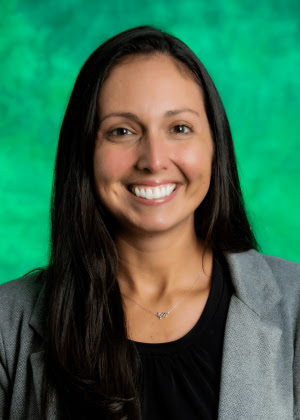 May 2023 - Jessica Muñiz-Collado
Member of the CMS Council on Music Industry and 2024 National Conference Program Committee, Jessica Muñiz-Collado currently serves as Assistant Professor of Music Business at the University of North Texas. In addition to her teaching role, Jessica is also an active composer, producer, consultant, and performer, where her activities range from composing/producing music for MundoFOX and Univision to presenting at the National Association of Music Merchants (NAMM)/GenNext Conference in Anaheim, CA (which is where I ran into her most recently!). I asked Jessica a few questions about the many directions she’s taken with her work so far and her engagement with CMS, and I hope you enjoy learning more about Jessica’s multi-faceted career.
Q: How did you begin your involvement with CMS, and what led you to join the Council on Music Industry?
I am grateful to have learned about CMS during my first year teaching higher-ed, which was in 2015. My faculty mentor at the time, Dr. Michael Caldwell recommended it to me. It was one of the best recommendations I received. As for joining the Council on Music Industry, it is important for students to understand that there are multiple music career options available. I truly believe that a sustainable music career is possible, so I was thrilled when the current chair, Courtney Blankenship presented me with the opportunity to join. I couldn’t say no.
Q: How has your engagement with CMS impacted your career in music higher education?
My engagement with CMS has opened up so many new opportunities for me as a music industry professional and more importantly, I’ve made some amazing friends who are incredible at what they do as music professionals and educators. I learn so much from them.
Q: I recently had the chance to hear you deliver not just one, but two great sessions during the NAMM Show that described ways in which rapidly changing technologies in music can offer new and meaningful career paths for students entering the music industry field. Can you briefly describe what an emerging career in music might look like within the next 3-5 years with the onset of new platforms for making and sharing music?
My opinion is that having a foundation in music technology will be a necessity throughout future music careers. I’m not saying that every musician needs to be an engineer or producer, but if they could at least take the time to understand and appreciate the language of music tech, and not be afraid of it (e.g., A.I.), they can have more opportunities presented to them.
Q: You wear many hats in your career as a musician (working in academia, actively composing and working in the music industry, and consulting among just a few!). How might students graduating this spring prepare themselves for creating a sustainable career that requires the juggling of many different skills?
What I strive to make sure my students (and clients) understand is that it is ok to have multiple streams of income, including passive income to support your music endeavors. A music portfolio career essentially. Once you take stock of your skills, you can begin marketing yourself in numerous areas to achieve gainful employment. Additionally, I like to emphasize that the more you understand culture, the more creative you can become. Stay a lifelong learner. It’s a great big musical world with so much to learn!
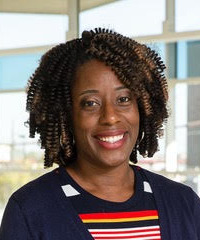 April 2023 - Suzanne Hall
Chair of the CMS Council on Music Education, Dr. Suzanne Hall currently holds the position of Associate Professor of Music Education at Temple University’s Boyer College of Music and Dance. In addition to her role as the Chair of Music Education with CMS, Suzanne recently co-led a series of virtual discussions titled “Re-Imagining Creativity in Schools of Music,” in which she and co-host Jane Palmquist prompted discussion participants to envision the ways in which institutions can restructure curriculum to prioritize creativity and engage students in increasingly meaningful ways.
I asked Suzanne a few questions about her experience as a member of the CMS National Board and her recent research surrounding integrating creativity into music education, and I hope you enjoy our conversation!
Q: How did you begin your involvement with CMS, and what led you to run for a position with the National Board?
A: I became involved with CMS after attending the Carolina/CMS Summit 2.0: 21st Century Music School Design in 2019. During that time, my department was very interested in redesigning our curricula in order to make them more inclusive. The department designated me as a representative to attend.
My decision to run for the National Board stemmed from the desire to not only engage in discussions about what could be possible in music education, but to assist in making these possibilities a reality. There are so many challenges facing our profession today as well as so many wonderful things. In collaboration with my colleagues, I believed I had a great opportunity to make a positive contribution to the organization and profession in this role.
Q: Can you describe how your engagement with CMS has impacted your career in music higher education?
A: Through CMS, I have expanded my musical community, and I am extremely grateful for the friends and mentors that are part of my growing circle. As a result of the many conversations and collaborations with colleagues from diverse disciplines, I have developed a broader sense and affirmation of my own musical contributions and have become a more effective educator.
Q: During the summer of 2022, you helped to facilitate and lead a series of conversations surrounding the importance of centering creativity in music school curriculum. What was this planning process like, and what were your most meaningful takeaways from this experience?
A: Planning for the creativity conversations involved effective communication, flexibility, coordination and open-mindedness. I met frequently with Dr. Jane Palmquist to brainstorm, establish priorities, establish timelines, assign roles and responsibilities, and address roadblocks. The CMS executive team offered critical feedback throughout the planning process.
I had so many meaningful takeaways but I will offer two. First, there are numerous ways in which creativity can be and is expressed in higher education. Second, there is an urgent need to place creativity at the center of our work, not only for students, but also for faculty members.
Q: CMS is continuing to increase the ways in which we meaningfully engage with our student members. What resources do you feel students are most in need of to help them succeed in today’s field of music higher education?
A: Mentorship. I think students will benefit from guidance from an experienced mentor who can offer advice and help them navigate challenges. Often students enter the profession with feelings of “imposter syndrome” or anxiety. Mentors who establish positive relationships, believe in them and support their goals will bolster their confidence and improve their well-being.
March 2023 - Julia Mortyakova
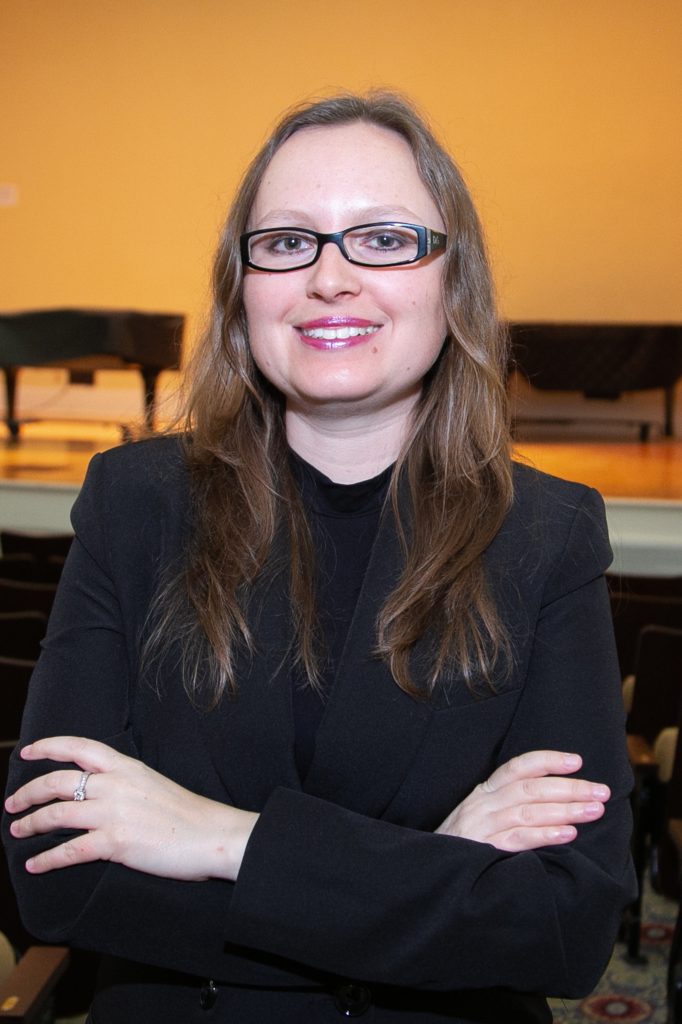 CMS Southern Chapter President Julia Mortyakova currently serves as Chair of the Mississippi University for Women’s Department of Music and was recently elected to the National Association of Schools of Music (NASM) Commission on Accreditation. Julia also sustains an active career as a concert pianist and researcher, with research focuses that include applying existential philosophy of Jean-Paul Sartre to piano teaching and the life and music of Cécile Chaminade. She also leads the CMS Southern Chapter in her spare time!
I asked Julia a few questions about her experience as a member of the CMS Chapter Leadership, and I hope you enjoy learning more about her work with CMS!
Q: How did you begin your work with CMS, and what led you to run for the role of Chapter President?
A: I began my participation in CMS upon hearing about the organization from one of my faculty at the University of Miami, Dr. Dennis Kam. From the time I was a doctoral student I have participated, presented, performed, and attended almost every single one of the Southern Regional conferences and many other regional and national events.
I ran for president because I was nominated and wanted to serve an organization which has helped my professional growth over the past two decades. I also wanted to continue the legacy of the great previous leaders in the chapter, such as Dr. Kam.
Q: In what ways has your engagement with CMS been meaningful to you, both personally and professionally?
A: CMS has played a pivotal role in my career, and I can trace my participation in the organization directly to helping me acquire my first university position. On a personal level, I have met many colleagues, collaborators, and friends through the organization and I treasure the memories we have all made together.
Q: Your leadership of the CMS Southern Chapter occurs alongside a busy career in academic, performance, and administrative roles. Do you have any time management advice for others who may find this type of balance challenging?
A: I think the best advice I can give someone is to be very organized, maintain an accurate calendar, and set clear priorities and goals for each day, week and month. I always aim to have earlier deadlines for myself than the official ones to allow plenty of time in case some other project falls on my desk. I think it’s also important to know when to say “no,” and when to ask for help. For anyone who is interested about my professional life,I have a professional Vlog on my YouTube channel (Julia Mortyakova) where I talk about how I prepare for and balance various professional activities and responsibilities.
Q: Do you have a favorite CMS experience you’d like to share?
A: My favourite CMS memory thus far has been the 2023 CMS Southern Conference which we just held at Jacksonville University. It was wonderful to reconnect with so many colleagues and hear all their presentations, performances, and compositions. It was my last conference as Program Chair and President of the chapter and I am thankful for the opportunity to serve and honoured to have represented our region.
Q: In reference to the CMS Common Topic, how do you strive to “lead change” within the Southern Chapter and its members?
A: I believe change comes through encouraging others to pursue scholarship and performance of music from underrepresented groups. Advocating for women composers has been a passion of mine as a pianist, professor, administrator, and director of the International Annual Music by Women Festival. I am proud to say that at the 2023 Southern Regional Conference we had numerous presentations and performances celebrating diversity in music. I also believe change comes in creating opportunities for members to serve in leadership capacities and to be more actively involved in the organisation. I encourage anyone who is interested in serving on the regional board of directors to reach out to current officers and express their interest and for anyone who is interested in hosting a chapter conference at their institution to also contact us.
February 2023 - Mollie Stone
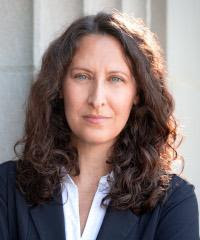 CMS Committee on Cultural Inclusion member Mollie Stone currently serves as Choral Conductor and Lecturer at the University of Chicago, directing the University Chorus and Women’s Ensemble. She is also the Co-Founder of the Chicago World Music Chorus and the Augsburg/Twin Cities Global Harmony Chair and teaches internationally with the organization Village Harmony.
We asked Mollie a few questions about her experience as a member of the CMS Committee on Cultural Inclusion, and we hope you enjoy learning more about her work with CMS!
Q: When did you begin your service with CMS, and what led you to join the Committee on Cultural Inclusion?
A: I joined CMS’s Committee on Cultural Inclusion in March of 2021 when Leila Ramagopal Pertl reached out to me about the Committee’s desire to address pressing issues facing our nation. I was drawn to the prospect of working with a team of inspiring colleagues from across a number of institutions to examine how systemic oppression affects our respective fields, and devise innovative approaches to how we might disrupt these patterns. The use of Zoom gave us the unique opportunity to host regular presentations and listening sessions throughout the year, which gave us deeper insight into how CMS members were experiencing these issues, and what they felt they needed in order to combat systemic oppression from within our current system.
Q: In what ways has your engagement with CMS been meaningful to you, both personally and professionally?
A: Working with CMS’s Committee on Cultural Inclusion has enabled me to connect deeply with music educators in a number of different musical realms. After feeling so isolated during the pandemic, it was validating to be able to “compare notes,” and find out which aspects of our struggles were unique, and which were universal. This helped us to narrow our focus, and determine where to prioritize our energy and efforts. Each person brought their own unique perspective, experience, strengths, and creativity to the table. It was a gift to be able to hear from fellow CMS members during listening sessions and provide opportunities to connect on a deeper level. Mostly, I’m grateful for the deep friendships I have developed through CMS over the past two years. I’ve gained treasured colleagues at other institutions who I might never have met otherwise.
Q: You’ve devoted a significant portion of your career to global choral music. How do you envision CMS engaging with members on an international scale in a meaningful way?
A: I was very excited to learn that CMS has recently launched an international chapter. A great deal of my work consists of helping musicians find opportunities to learn directly from culture-bearers, providing guidance to help musicians engage more ethically with the music of other cultures, and assisting culture-bearers in having as much agency as possible in how they share their music. I would love to see CMS help to support this type of work as we engage more with members on an international scale.
Q: What advice might you give to students (undergraduate and graduate) who are looking to enact meaningful change through academic programs nationally and abroad?
A: I would advise students to find creative and meaningful ways to engage with the communities whose music they are studying. I have seen far too many students write papers on music that is made by people who live mere miles away from them, and yet their only research comes from books, and not from first-hand interactions with practitioners of that music. Arranging an interview, attending a rehearsal, breaking bread together—these types of direct engagements can set the groundwork for developing a lifelong relationship with the music that you love. Find creative ways to collaborate, share resources, and always, support the communities whose music you study.
January 2023 - Lisa Urkevich
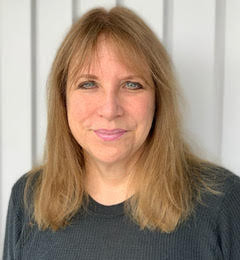 Symposium General Editor Lisa Urkevich is Professor of Musicology/Ethnomusicology and former founding Division Head (Dean) of Arts and Humanities and founding Chair of the Department of Music and Drama at the American University of Kuwait (AUK). She also regularly serves as an advisor for international government and private sector initiatives in the performing arts and education. Before joining AUK, she was a full-time professor at Boston University and has also held teaching positions at Bucknell University and the University of Maryland.
Lisa works tirelessly behind the scenes to publish not just one, but two volumes of Symposium, CMS’ virtual academic journal, each year. We asked Lisa a few questions about her experience working as Symposium General Editor, and we hope you’ll enjoy reading about her role!
Q: When did you begin your service with CMS, and what led you to take on the position of General Editor for Symposium?
A: When I accepted the position in the Spring of 2017, I was really interested in serving as General Editor for a few reasons. Firstly, CMS has been important to me since I was in grad school, and in fact, my first publication was an essay in a 1993 CMS Newsletter, thirty years ago. Then later, as a professor and administrator in the Middle East, sometimes I felt isolated and I wanted to stay connected with multiple facets of music and higher education and engage with colleagues who have perspectives different than mine. I knew that being the Symposium General Editor would give me this opportunity. Also, I knew the journal would be going through a major transformation, and I so enjoy a complicated challenge!
Q: In what ways has your engagement with CMS been meaningful to you and helped you in your own career?
A: I am a full professor and at a senior level in my career, so I did not accept the Symposium position to assist with promotion or anything like that. But for sure, the job has been meaningful. There are a lot of mundane tasks involved with being a General Editor but restructuring the journal to align with other quality publications, interacting with our Component Editors and authors, and helping to assess disparate material within so many different music disciplines has been thought provoking and expanded my mind. And then a daily byproduct of being General Editor is the basic content knowledge, so I find myself often saying things to my faculty and colleagues like, “Do you know about this new music App that was reviewed in Symposium?” or “Have you heard about this new teaching methodology?” or “I read the most interesting article with a new take on Schubert’s “Erlkoenig” in Symposium.
Q: Putting together the Symposium requires a lot of work! What does a typical publication cycle look like for you, workload-wise, and how do you balance this work with your other responsibilities?
A: The workload is indeed daunting at times. The journal has seven Components, each with its own editor. Unlike other journals, we deal with many types of subjects and diverse writing approaches, and we are inclusive and appreciate the idiosyncrasies of our different disciplines. For instance, the manuscript formatting of a Music Educator is not like that of a Musicologist. Dealing with different styles takes more time. For success, we must have a strong structure, clear guidelines, processes, deadlines, and most importantly, competent, conscientious Component Editors and CMS Office staff.
Regarding a cycle, Scholarly and Music Business-Industry articles, Forum essays, and PLLT video, are submitted through our website along with books, tech, or audio that one seeks to be reviewed. Then the appropriate editor and I are notified, and different editors will follow different protocols. For instance, our scholarly articles are double-blind peer-reviewed and so those submissions are sent to qualified referees with their own deadlines and guidelines, and subsequently the editors accept, reject, or ask for revisions from the author, depending on referee recommendations. Discussion between authors, editors, and referees might go back and forth for a while as editors try to polish the submission to its best quality. On a certain pre-determined date, the Component Editors give me a final product, which I check, and then the editors and I might go back and forth with discussion. Then when ready, I inform the CMS office to process the articles, images, bios, etc. And the office and I might need to hash out further details.
We process about twenty articles or reviews per issue, twice a year, so getting everything publication ready takes a bit of time. Once the office informs me that all the articles are properly up on the website, the editors, authors, and I review everything again and I ultimately give the final approval for release to the public. Then a few weeks later, following strict guidelines, the CMS office prepares a PDF of the issue that goes to JSTOR, and again, this is reviewed before it is released for final publication.
I would say, 4-5 months out of the year are intense for me because of all of our checks and balances, our quest for integrity, and the complexity of our publication. I deal with problems year-round, from ethics, to formatting, discontented submitters, retiring editors, new board members, etc. but my work with the journal issue itself really kicks in at the end of the summer and beginning of the New Year, and this is when I do brace myself. I know I will be working on weekends and evenings. Time management is of the utmost importance.
But when that final announcement goes out, that the issue is published, the whole team quietly celebrates and feels contented that we have produced a fine product for the enhancement of our discipline.
Q: How do you envision the Symposium evolving in the coming years?
A: I am really proud of the improvements we have made these past years, our updated standards and clear processes. Every problem we encountered was a learning experience and we have used our struggles to refine and perfect our guidelines, which are published on the website. Now my goal is to focus on journal visibility and impact factor within a virtual environment so that Symposium, authors, and editors get the exposure and credit they deserve.
Also, as an American who lives overseas, I would love to see Symposium more engaged internationally. There are so many global practices and methodologies and unique music perspectives and research that USA higher educators might find compelling. And likewise, there are so many amazing American systems in higher education and fresh investigations that would be so beneficial to international scholars and professionals. So hopefully, Symposium can start forging stronger global ties in coming years.
Q: What advice might you give to students (undergraduate and graduate) who are looking to become involved in the editing side of academic journals?
A: My advice to students interested in editing is to first Publish! Publish! Publish!--in a variety of journals, in a variety of formats. Our best editors, board members, and reviewers are experienced published authors. You learn so much from being a submitter who must follow guides, styles sheets, deadlines, and interact with editors. Publish and then reach out and offer to serve as an editor, and I suggest beginning as a review editor. Books, audio, film, technology reviews are usually not too long or complicated and serve as a great way to learn the basics of editing before moving onto more intricate peer-reviewed scholarly types of publications.
But aside from editing, I encourage everyone, active scholars and professionals, students, retirees, to engage with Symposium. Have your voice heard. Write a Forum essay. Get that research published. Do you have a great performance or performance-lecture that is worthy of attention? Send it to us. Have you issued an audio recording, written a book, prepared new tech that you want reviewed? Submit it. Symposium provides a unique opportunity for you to connect with others and help enrich and sustain our music discipline and we need everyone’s involvement during these dynamic times.